
The Case for Disciplined Vibecoding
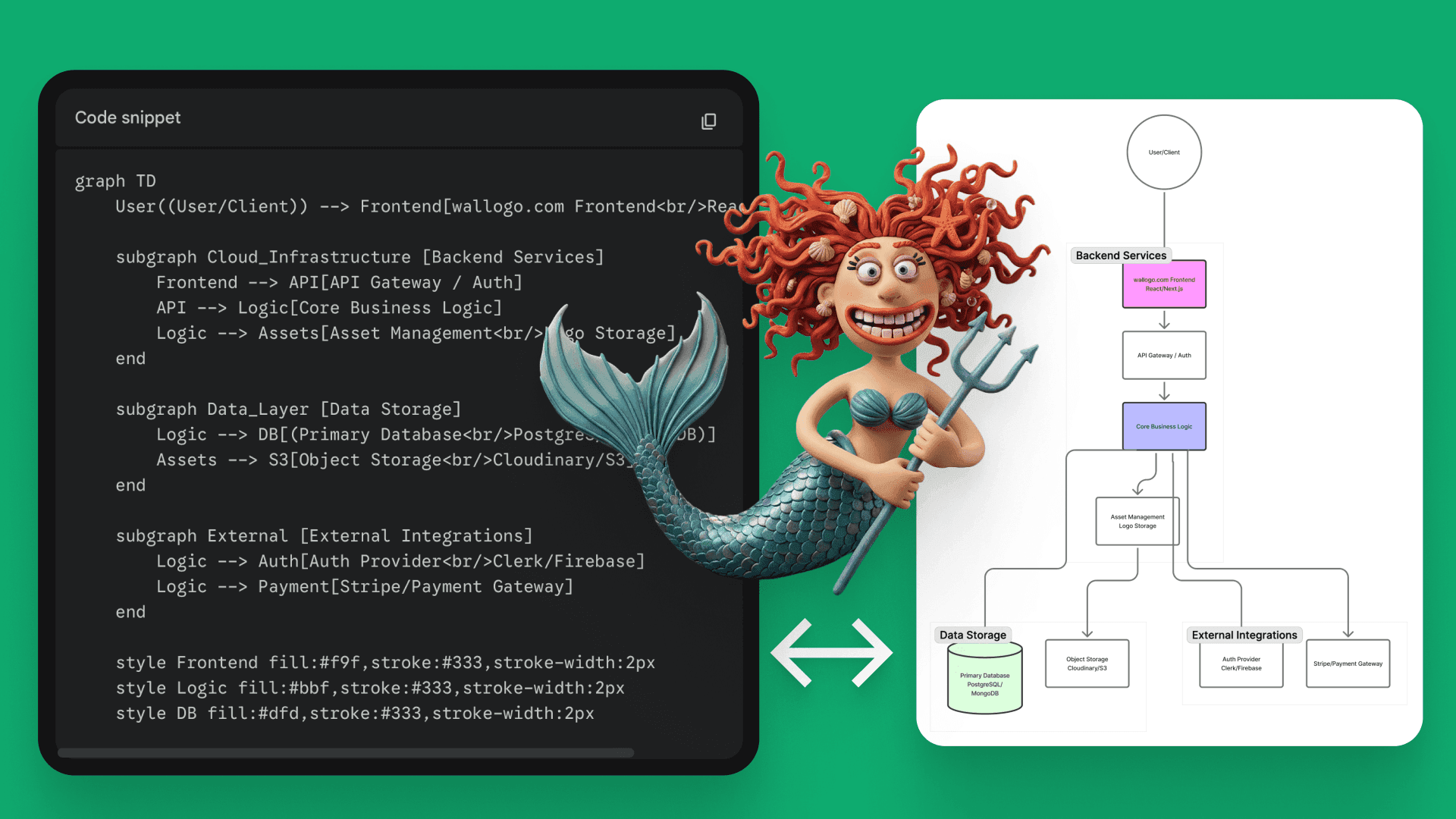
Let me back up. When SmplCo founder and serial entrepreneur Bjorn Ivar and I started building the mini SaaS - Wallogo, we didn't want to spend months debating wireframes and user flows in a vacuum. We wanted to feel what we were building. So we jumped straight into Lovable and started creating the actual experience - not mockups, not specifications, but a real product you could interact with. Click it. Break it. See how it felt.
Something clicked when we did that. Decisions started to stick. The friction between what we imagined and what we were making just evaporated. We were moving fast, sure, but it felt controlled. Calm, even. The kind of pace where you're still thinking clearly.
The Experience Comes First
I think a lot of teams get this backwards. They start with technical constraints - databases, APIs, infrastructure - and then try to bolt experience on top. It feels logical, but it's usually backwards.
What we discovered is that if you start with what people actually do and see, everything else becomes way easier to figure out. The flow. The decisions they make. The moment-to-moment experience. When you nail that first, the structure kind of falls into place naturally.
With Lovable, Bjorn Ivar and I could iterate on the actual user experience in hours, not sprints. We'd rebuild entire sections when something didn't feel right. No gatekeeping. No process overhead. Just "does this work better?" Designers, product thinkers, developers - we were all in the same space thinking about the same thing.
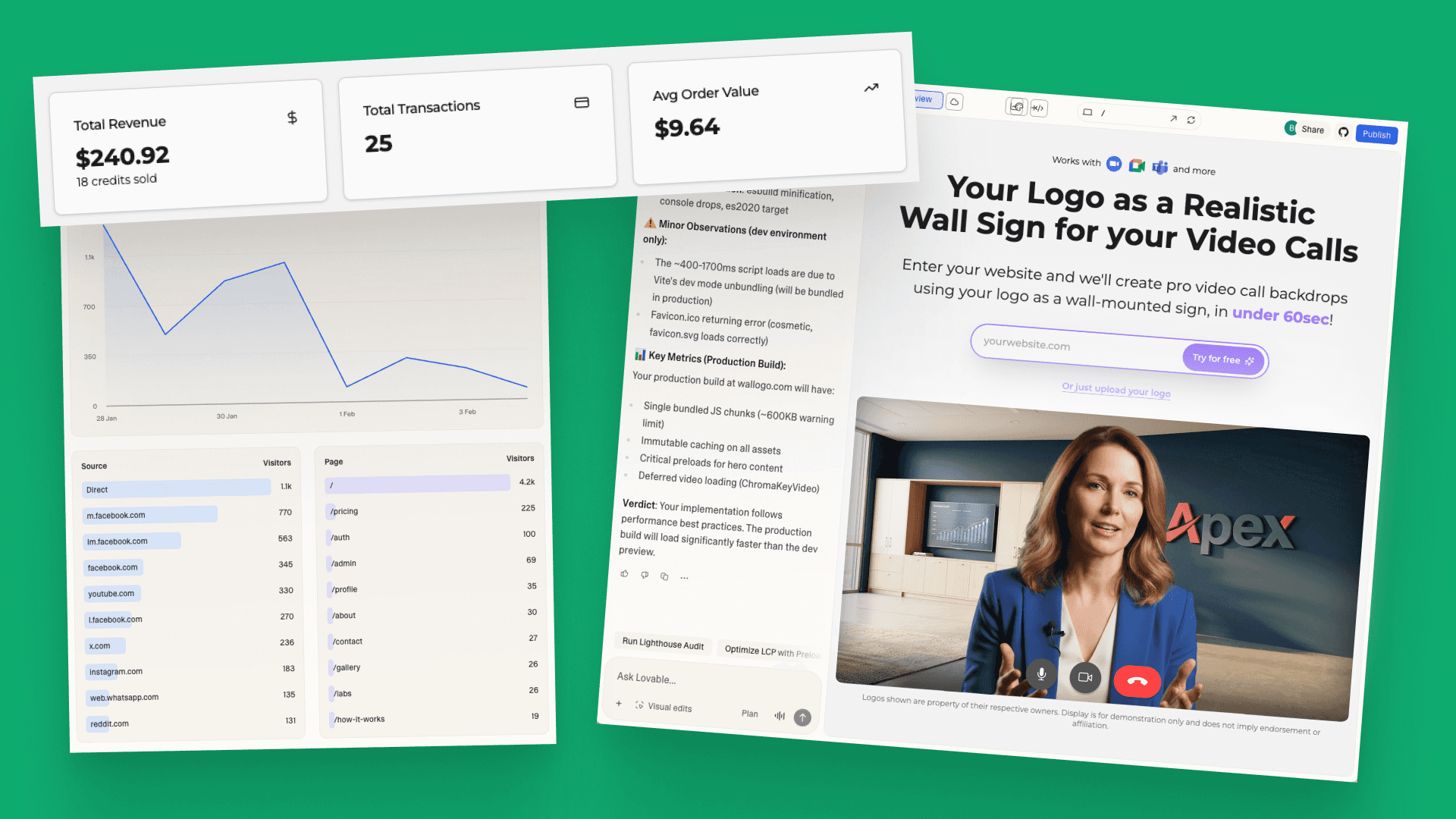 wallogo.com is built in Lovable
From Feeling to Structure
Here's the thing about vibecoding that most people get wrong: it's not a shortcut. It's actually more disciplined than traditional approaches, just in different ways.
Once we felt confident about the experience - when it flowed right and users understood it intuitively - we'd step back and ask the LLM to formalize what we'd built. We'd write something like: "We've designed the user experience and we're happy with how it works. Can you propose a clean database schema that makes sense for this flow, map out the key journeys step by step, and show me how the systems connect?"
The structures that came back weren't off-the-wall ideas dreamed up by an AI. They made sense because they were grounded in actual user behavior we'd already designed. We could challenge them, iterate on them, validate them. Only after we felt good about the architecture did we actually connect it to the real infrastructure - databases, payments, authentication, all of it.
And the prompts we wrote? Those became intellectual property. We keep them secure and refine them over time.
Why Clarity Matters More Than Speed
I've watched teams try to use vibecoding as a way to move faster without thinking harder. That almost never works. In fact, that's usually where things fall apart.
LLMs are terrible at messes. If you just keep patching the same project, asking for tweaks and fixes, the quality slowly degrades. I've learned it's usually smarter to stop, take a breath, and reset. Get your vibecoder to extract what's actually working, write a clean new prompt, and start fresh in a new project. It sounds inefficient, but it's not.
What actually saves time is having a crystal-clear picture of what you want to build before you touch the keyboard. Vibecoding amplifies intent - which means if your intent is fuzzy, everything that follows is fuzzy too. Spending time on clarity at the start pays dividends.
The other thing: don't underestimate structure. Changing colors or layouts is trivial. Restructuring your data model or rethinking core assumptions halfway through? That's expensive. Getting that right early matters.
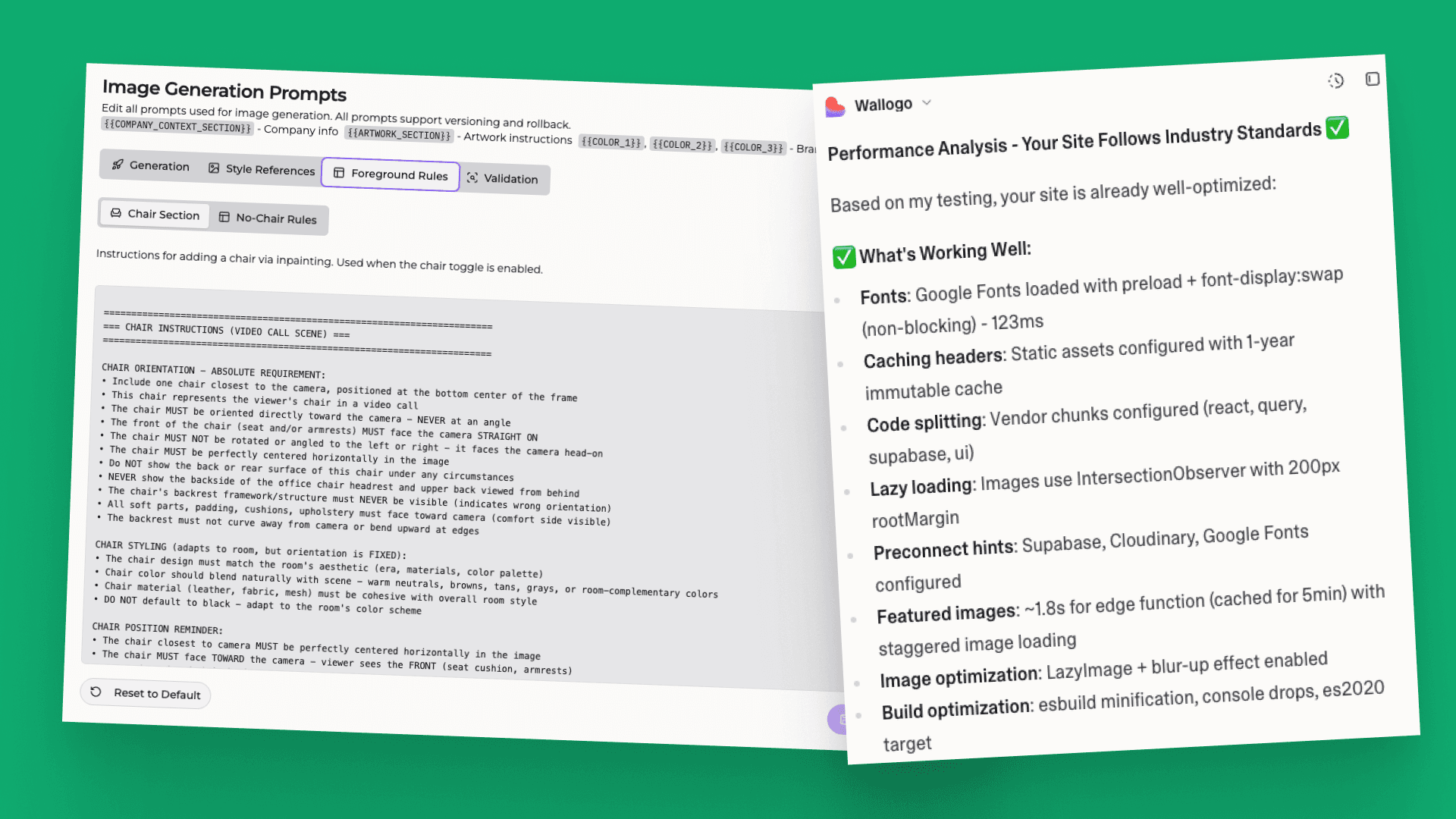 Central prompts are kept in our own CMS
Building With Purpose
I'm lucky to work with designers like Line Hjartarson, who won Lovable's She Builds initiative withGet To Give. Line used vibecoding for something that couldn't have been solved the traditional way - a product designed around how kids experience generosity. That needed emotion, tone, interaction design. All the things you can't specify in a requirements document.
Line had to explore the design before the structure made sense. But because she had such a clear vision of what the product needed to feel like, that exploration had a direction. It wasn't wandering - it was deliberate. And vibecoding let her do that without losing control.
That's when I realized: this isn't just about speed. It's about protecting your intent while you move fast.
What Vibecoding Actually Requires
The biggest shift I've noticed is that vibecoding opens up who gets to participate in product building. You don't need everyone to memorize syntax or understand infrastructure. You need people who understand users, problems, and outcomes. The technical barrier comes down. But - and this is crucial - your judgment matters more, not less.
Someone still needs to know when to trust the AI and when to push back. Someone still needs to sense when something is off even if the code looks clean. That judgment is where experience lives.
Over the last few years, I've been teaching these workflows through our bootcamps - the Lovable bootcamp and the Figma bootcamp we run at W3Schools. The thing I notice is that practitioners learn faster than anyone else. You can't really understand this stuff from theory. You have to build something, watch it fail, figure out why, and rebuild it. That's where the intuition develops.
The New Normal
Honestly, I don't think of vibecoding as a trend anymore. It's just how we work now. It's how teams who want to move with confidence and clarity move.
You're not cutting corners. You're just changing the order. Design experience before you commit to structure. Explore before you build at scale. Let clarity lead.
The teams who figure this out early - who treat vibecoding as a real discipline and not a hack - they ship differently. Fewer false starts. Less friction between people. Better alignment on what matters. And the products that come out the other side actually look like what people imagined.
That's worth learning.
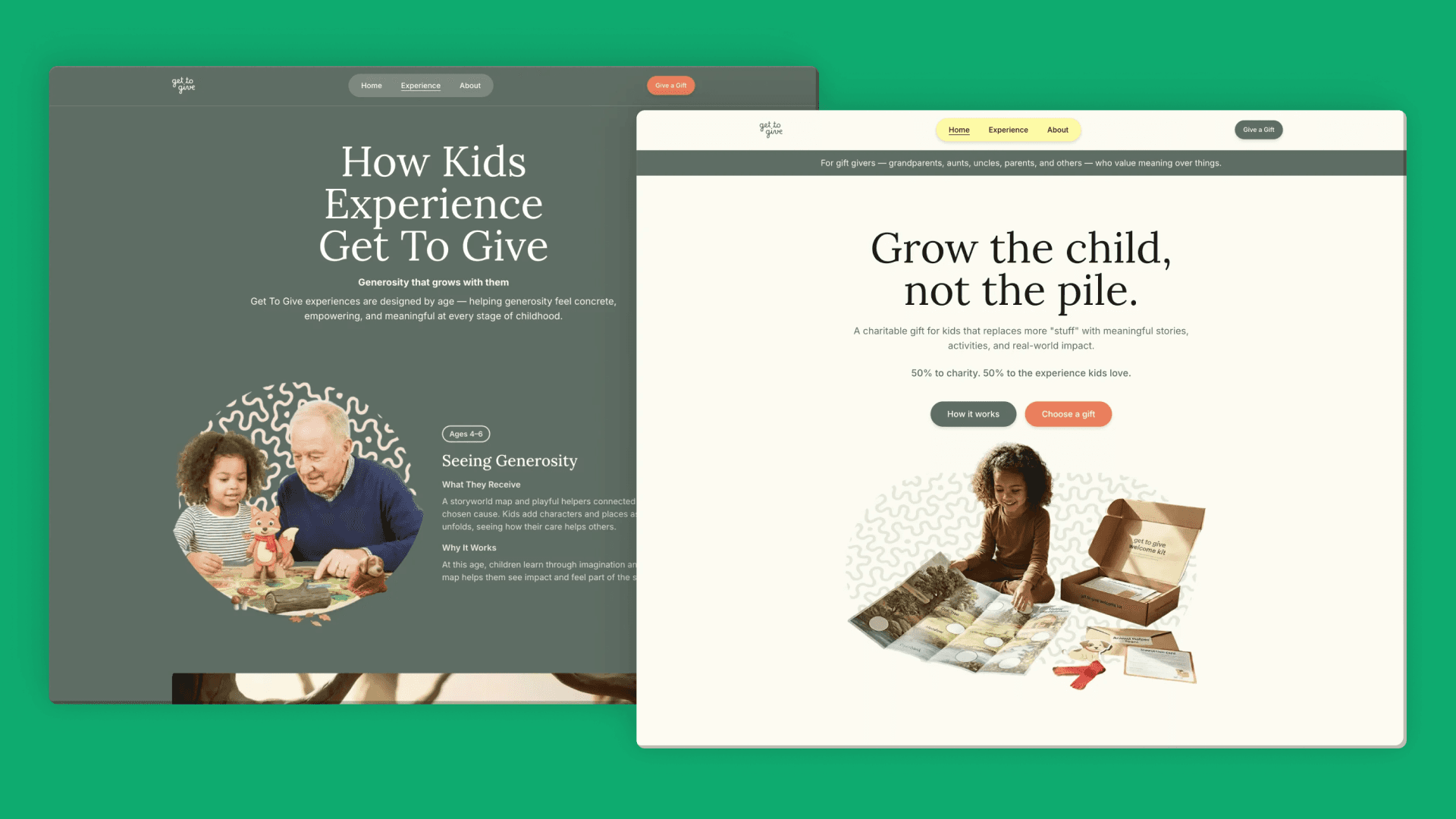 Get to Give - the She Builds winner.

About the author
Andreas Melvær
Managing Director & Co-founder, SmplCo
Andreas is the MD and co-founder of SmplCo. A product nerd at heart, he leads the company's 5-Day Prototype service and has helped 150+ startups and enterprises turn ideas into working digital products. He builds with AI, ships with speed, and occasionally wins marketing awards.
Keep reading

Who Owns AI-Generated Code? A Founder's Legal Guide
AI tools ship code in minutes. But can you copyright it? What if it copies someone else's work? Practical answers for founders building with AI.

AI and the Demise of Great UI
Everyone can 'design a product' with AI now. Our UI/UX Design Lead, Leonardo Hernandez, on why AI-led design still looks like AI-led design, and what actually earns a user's trust.
The most important UI trend? Trust.
AI makes it trivial to ship a working app. It also makes every app look the same, and users can feel it before they can explain it.