
The investor dilemma: is the team actually building what the strategy says?
In short: How can investors and board leaders build more productive, trustworthy relationships when a company's strategy lives in glossy slide decks and execution lives in the repo ...and nothing connects them?
If you're an investor, a board member courting investors, or a CTO reporting on progress, try giving honest answers to these questions:
- Who answers the question: "Are we building what the strategy said?" Is it a self-graded report card?
- Is the board pack written by the same people who set the roadmap? Is the roadmap being reviewed against itself?
- Is there a link back to the original strategy artefacts that started the year?
- Every six months are you asking the same uncomfortable question? Do the answers depend more on the CTO's storytelling than on the data underneath?
All the often, the answers to these questions make for sobering reading.
For founders, this is uncomfortable but survivable. At least for while.
For boards, buyers, and investors, it's expensive.
If you're writing a cheque, joining a board, or running diligence on an acquisition target, the most expensive thing you can take on faith is "we're building what we said we'd build".
By the time the gap shows up in retention, in burn, or in a missed milestone, you've already paid for an engineering quarter pointed in the wrong direction.
And, in this new AI era, it could be about to get a lot worse.
** How AI is damaging boardroom / investor relations
Self-reported board packs read well. Engineering velocity charts look reassuring. A confident CTO is hard to challenge in a 90-minute meeting.
None of those tell you whether last quarter's £400k of engineering effort actually moved the company toward the strategy you signed up for, or quietly drifted into a feature pile that nobody on the board ever asked for.
And it's much easier to create this smokescreen - whether intentional or not - in the age of AI.
Tor Einar Enne is an entrepreneur saw strategy and execution increasingly diverging, so he decided to fix the problem by building BAS TrustDesk.
"In the modern era, Artificial Intelligence makes it easy for anyone to generate polished, glossy board reports in minutes," he says.
"This makes it very difficult for investors to separate genuine substance from the narrative."
This result is everyone can lose, often before a deal even gets out of the gate.
"When creating convincing-looking decks is so easy, investors often decline funding based on feeling that the numbers do not 'feel' real," Tor Einar says.
His solution, Trust Desk, aims to strip away this politeness layer by allowing founders to provide independent validation of progress and performance.
Why this matters for buyers and investors
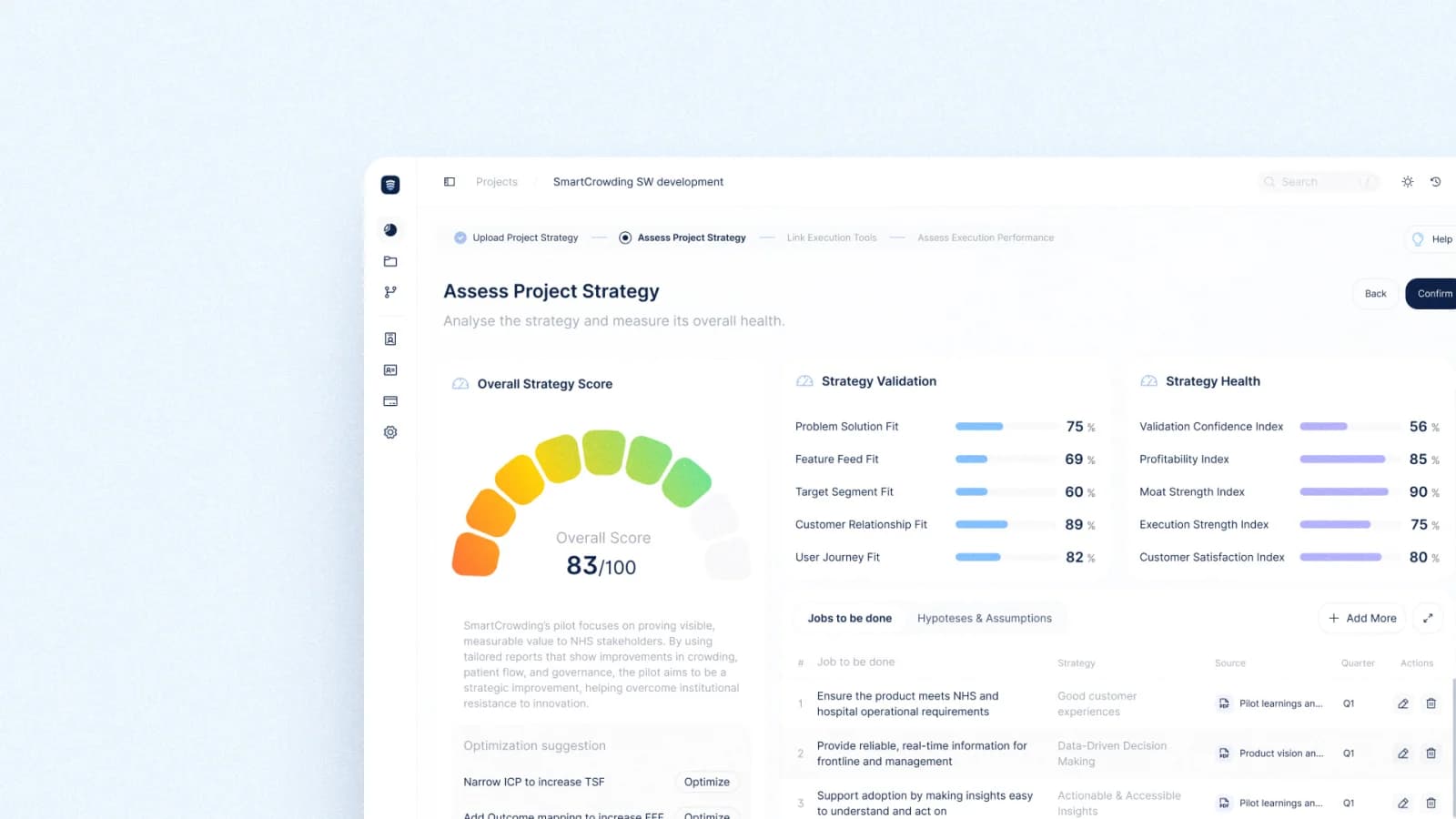
BAS TrustDesk's software uses Artificial Intelligence to distill information from strategy documents, specifically hunting for "jobs to be done" and validated hypotheses.
This gives you a traceable view of the actual work, mapped back to the strategy that was approved, in language a board pack can carry:
- For acquirers, that's the difference between buying the strategy and buying the surprise
- For VCs and angels, it's the difference between leading from the data and leading from the deck.
- For non-executive directors, it's the answer to the questions that really matter between board meetings
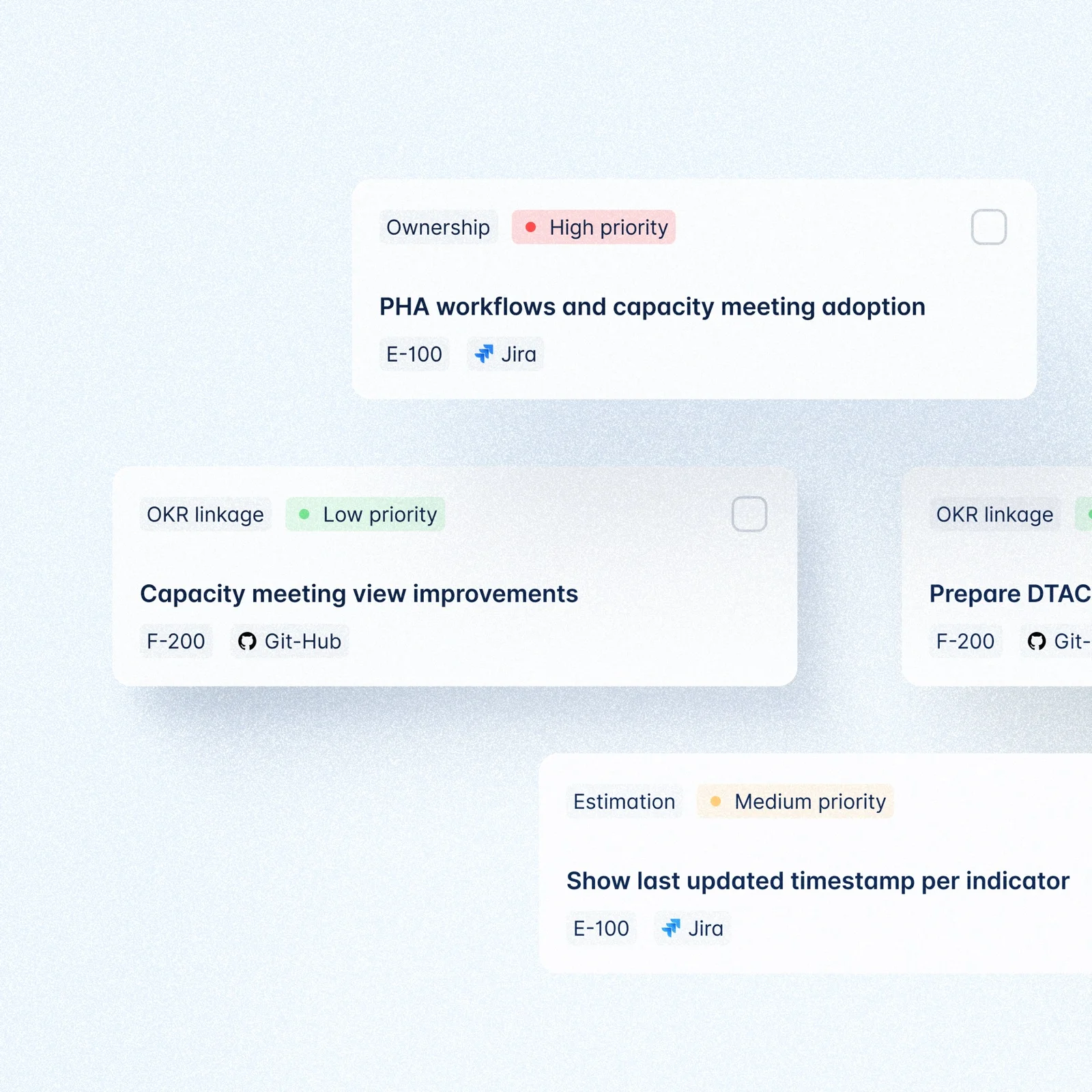
The result is companies avoid spending years building products that lack market demand, which Tor Einar cites as a primary reason for tech company failure.
The system monitors the development backlog to ensure that the work being completed is aligned with the company's stated strategy rather than drifting away
"There is significant value for both the board and investors in getting objective information that cannot be tweaked by the user. Investors get the right numbers, but CEO's also get protected from numbers that have been 'rounded up' or team presenting unrealistic expectations."
Tor Einar Enne, Founder, BAS TrustDeck
Let's get technical: how does BAS TrustDesk do this?
The platform offers a strategy-to-execution validation platform that connects read-only to the systems where execution actually happens (Jira, Azure DevOps, GitHub) and ingests the strategy artefacts the company committed to.
From those two inputs it produces a traceable report on:
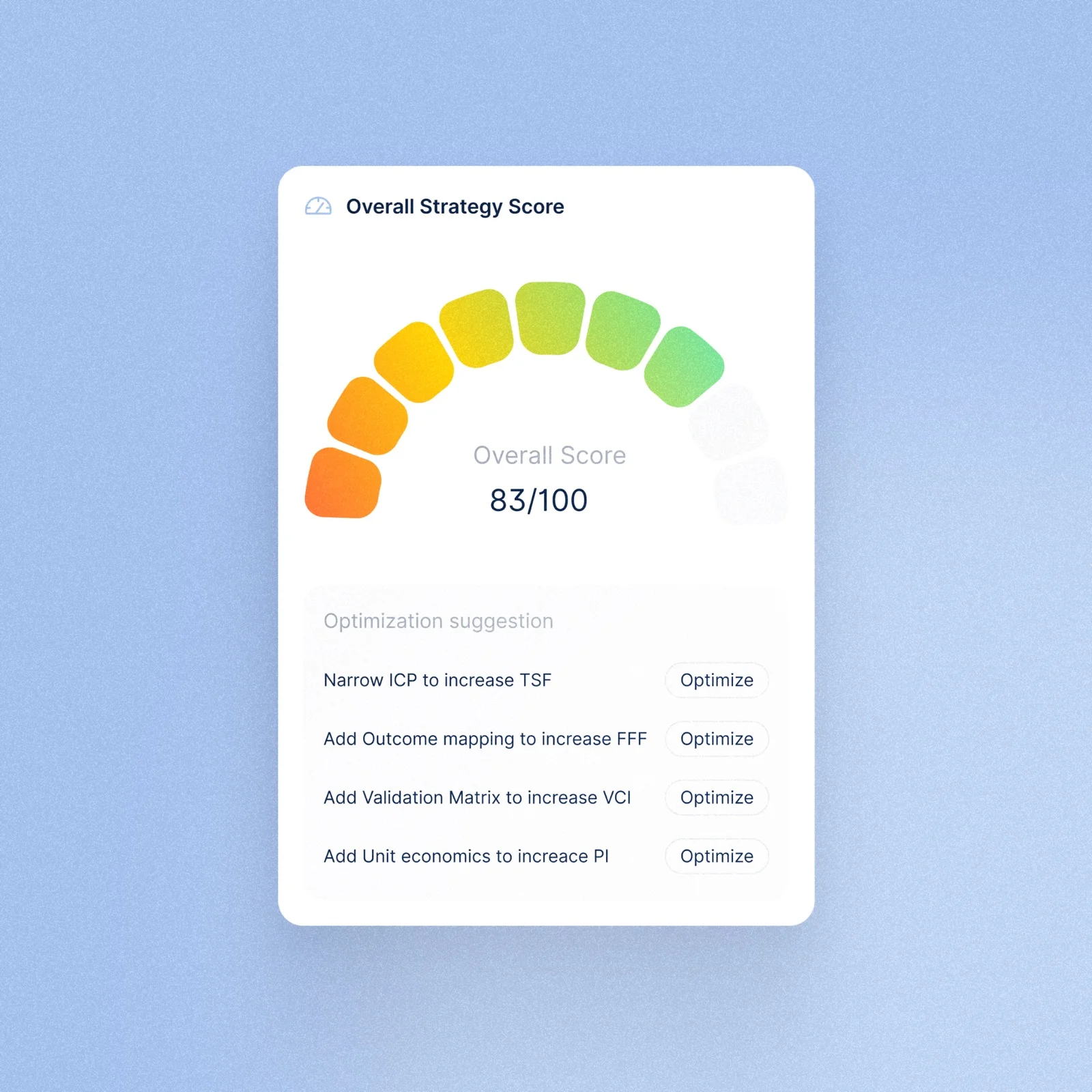
- Whether the work being shipped lines up with the strategy that was approved
- Where the gaps are, ranked by the size of their impact
- Whether the team validated the underlying assumptions before committing engineering spend
- A board-ready PDF that any non-executive director, VC partner, or M&A diligence team can read without needing to be technical
In short, it turns a question that used to depend on trust into one that depends on data.
How SmplCo helped Tor Einar nail his platform
BAS TrustDesk came to SmplCo at the start of 2026 with a live product, paying customers, and a need to sharpen what the next version of the platform did and who it did it for.
We ran a 5-Day Prototype paired with a Design System in a single week.
The team then rebuilt the application end-to-end on top of the system that came out of it.
The full story behind the relaunch is in the BAS TrustDesk case study.
"We came in with a live product, a handful of customers, and a vibe-coded prototype of where we thought the next version needed to go. Five days with SmplCo gave us two things we could not easily have got on our own: the discipline to pick one primary user, and a design system that has carried through every screen of the rebuild."
Tor Einar Enne, Founder, BAS TrusDesk
Want to learn how we helped BAS
If you're a buyer, board member, or investor who's tired of taking strategy-execution alignment on faith, BAS TrustDesk is live and onboarding new customers.
If you're a founder thinking about a major rebuild and want a foundation that lasts, come and have a chat with us. And if you want the design and product story behind the BAS relaunch, the case study lives here.

About the author
Andreas Melvær
Managing Director & Co-founder, SmplCo
Andreas is the MD and co-founder of SmplCo. A product nerd at heart, he leads the company's 5-Day Prototype service and has helped 150+ startups and enterprises turn ideas into working digital products. He builds with AI, ships with speed, and occasionally wins marketing awards.
Keep reading
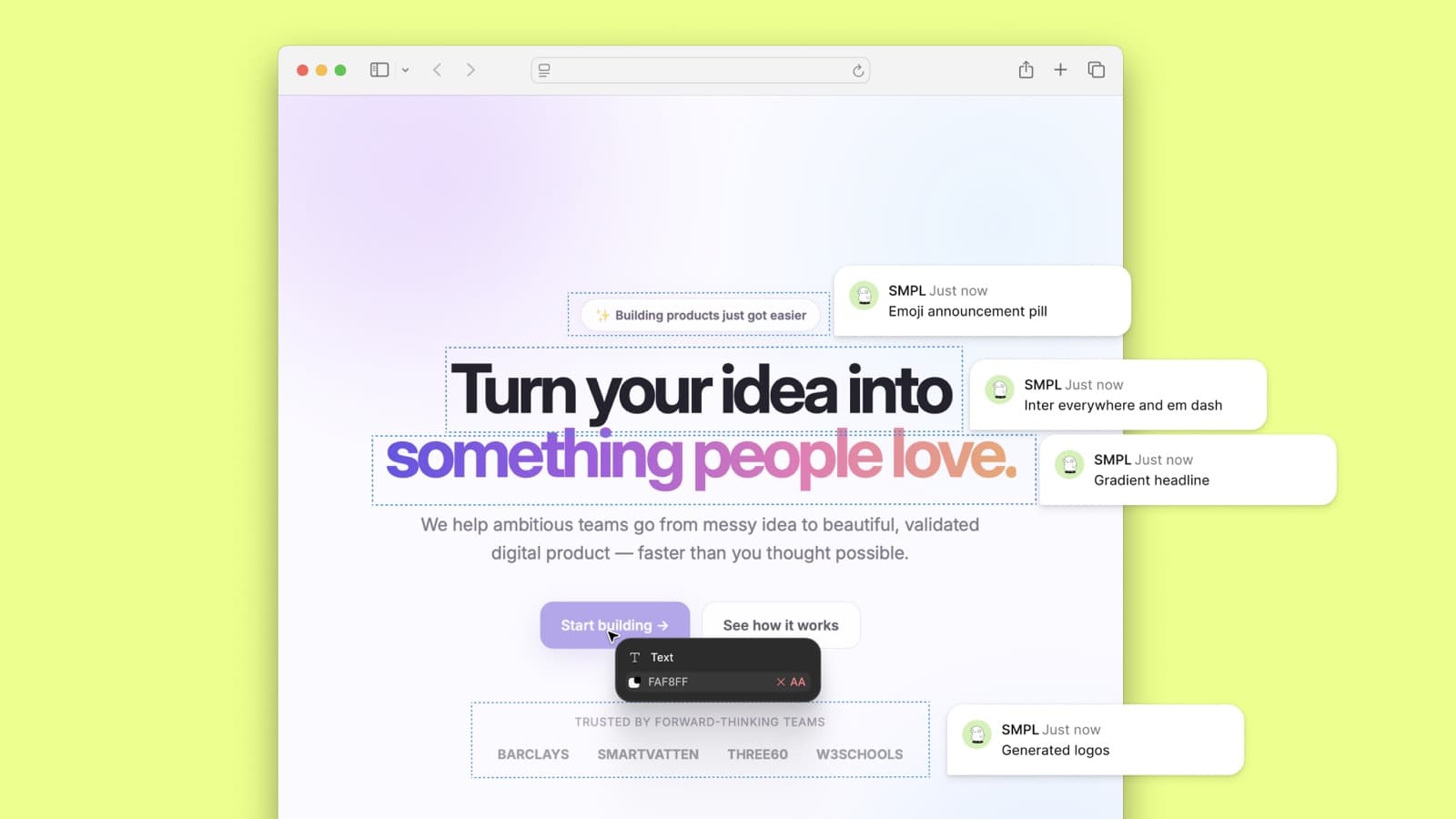
Without a Design System, AI Just Helps You Make a Mess Faster
Vibe-coded internal tools arrive fast and arrive different. A central design system is how an organisation keeps the speed of AI-assisted building and stops the fragmentation.
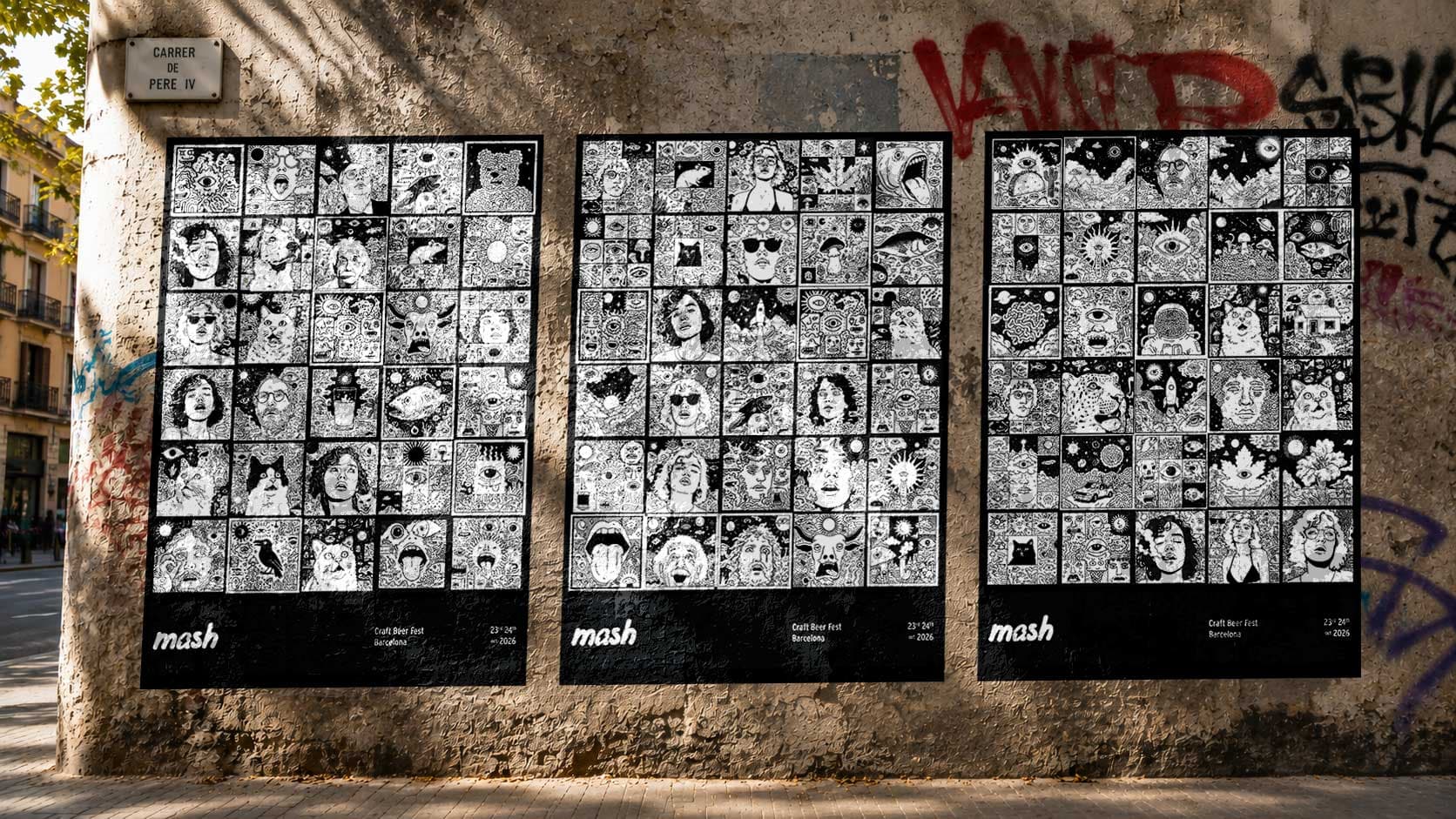
We Automated a Beer Festival in an Afternoon. Most Workflow Fixes Are Like This Now.
We built an automation tool for the Mash beer festival in Barcelona in an afternoon. The point: improving how an organisation works doesn't have to take months.

We Replaced Our SaaS Stack with Custom Internal Tools
We replaced scattered SaaS with a custom CRM, newsletter, task planner, and Meta Ads integration. What we learned about building internal tools.