
What Is Vibe Coding? (And Why Most Founders Get It Wrong)

Vibe coding is the hot new term in tech, but most founders are getting it completely wrong. They think it means letting AI write all the code while they sit back. The reality is more nuanced, more powerful, and more dangerous if you don't understand it.
What Vibe Coding Actually Is
At its core, vibe coding is about using AI tools to translate your intent into working code. You describe what you want, the "vibe", and AI generates the implementation. Tools like Claude Code, Cursor, and Lovable have made this increasingly accessible.
But here's the catch: the quality of what comes out depends entirely on the quality of what goes in. And that's where most founders stumble.
Why Most Founders Get It Wrong
The biggest mistake is thinking vibe coding eliminates the need for product thinking. It doesn't. It accelerates the execution of decisions, but it doesn't make those decisions for you.
If you vibe-code without a clear product vision, you'll get code fast. But it'll be the wrong code. You'll build features no one needs, miss critical user flows, and end up with something that technically works but practically fails.
How to Do It Right
The founders who get the most out of vibe coding are the ones who combine it with strong product design fundamentals. They workshop their ideas first. They map user journeys. They create high-fidelity prototypes. And then they use AI to turn those well-defined designs into working software.
This is exactly the approach we take at SmplCo. Our 5-Day Prototype process gives you the product clarity that makes vibe coding actually effective. You're not coding vibes into the void, you're coding against a validated, tested design.
The Bottom Line
Vibe coding is a genuine revolution in how software gets built. But like any powerful tool, it amplifies whatever you point it at. Point it at a well-designed product and you'll ship faster than ever. Point it at a vague idea and you'll build technical debt faster than ever.
The smart move is to invest in the thinking before you invest in the coding. Get in touch if you want to explore how.

About the author
Andreas Melvær
Managing Director & Co-founder, SmplCo
Andreas is the MD and co-founder of SmplCo. A product nerd at heart, he leads the company's 5-Day Prototype service and has helped 150+ startups and enterprises turn ideas into working digital products. He builds with AI, ships with speed, and occasionally wins marketing awards.
Keep reading

Who Owns AI-Generated Code? A Founder's Legal Guide
AI tools ship code in minutes. But can you copyright it? What if it copies someone else's work? Practical answers for founders building with AI.
Why no-one is using your Power Apps and how to fix it.
The Case for Disciplined Vibecoding
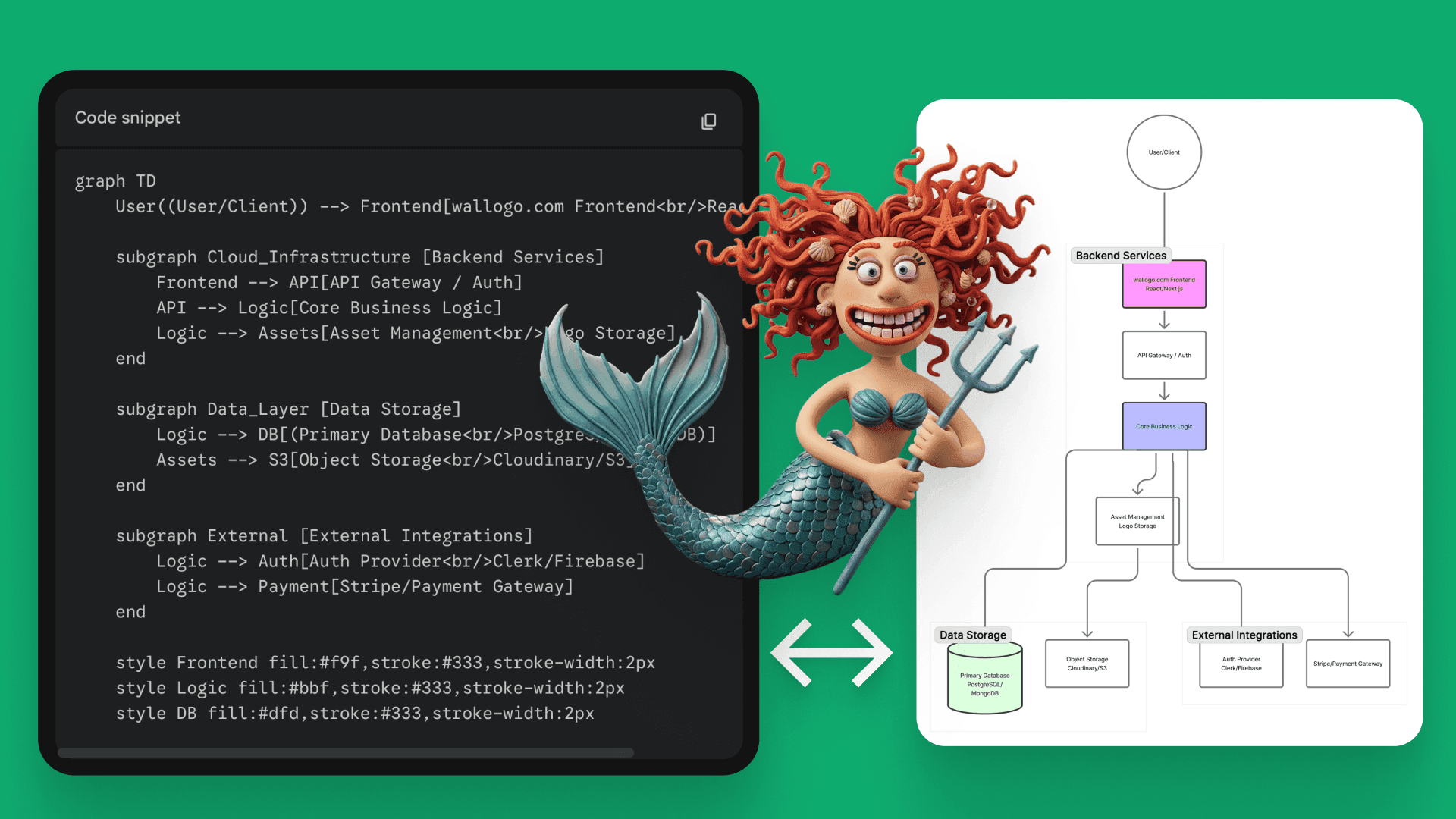
Bjorn Ivar and I built a mini SaaS, Wallogo, using vibecoding. What we learned about shipping production software with AI in days, not months.