
From Post-it to Product in 5 Days
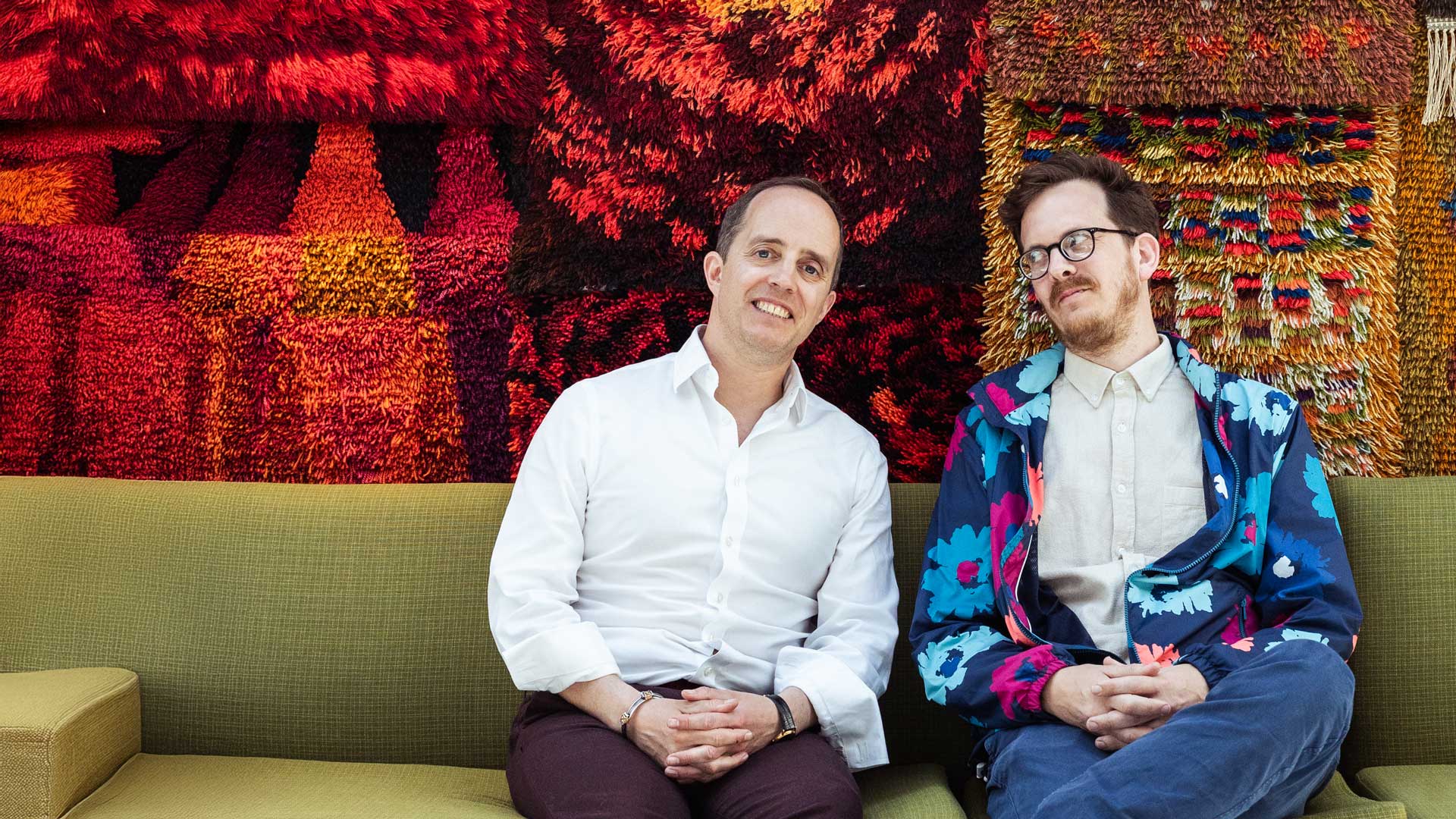
SmplCo founders Michael Millar and Andreas Melvaer have helped build over 150 digital products, from scrappy start-up MVPs to enterprise innovation platforms. Here they explain the process behind SmplCo's 5-Day Prototype, how new AI tooling has supercharged it, and why seeing really is believing.
Why Seeing Is Believing
Most digital projects fail before they start. Not because the idea is bad, but because the gap between "what if" and "here it is" takes too long to cross. Six months of discovery. Three rounds of stakeholder alignment. A deck that gets shelved.
We created the 5-Day Prototype because of a simple truth: people don't buy ideas. They buy what they can see and touch.
A slide deck describes what something could be. A prototype shows what it will be. That distinction matters when you're trying to win budget from a board, convince an investor, or align a team that's been arguing in circles for months.
After five days, you walk away with a clickable, high-fidelity prototype that lets you bring your idea to life and move rapidly towards your next strategic goal.
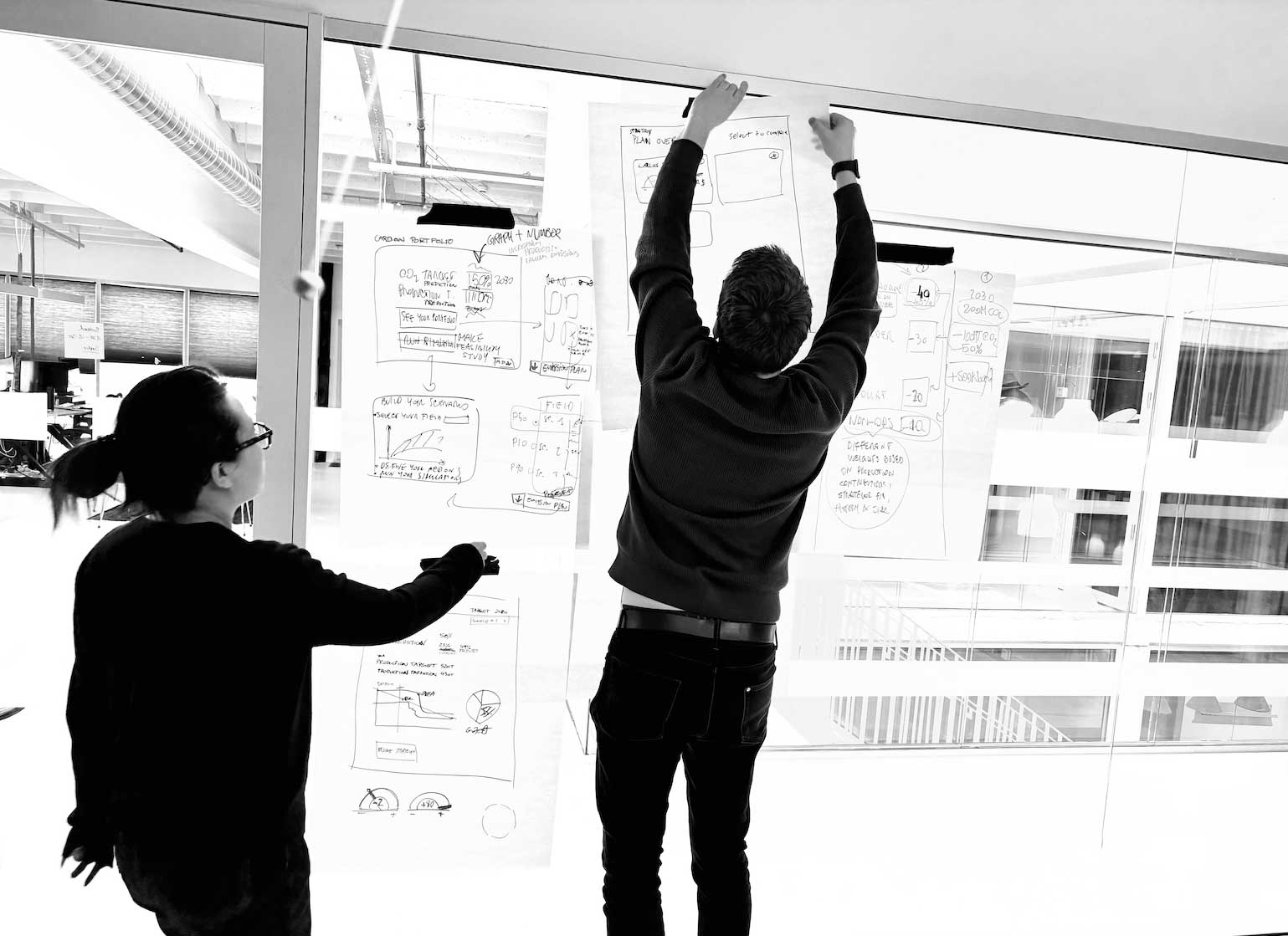 Mapping out the user journey during a workshop session, where ideas start taking shape.
How the 5 Days Actually Work
Day 1: The Workshop, We sit down with the customer and run a structured workshop. We interview stakeholders, ask hard questions about what the product actually needs to do, and start sketching the user journey live in the room.
Days 2–3: Design Sprint, Our design team translates the workshop output into high-fidelity Figma designs, real UI, real flows, real interactions. Not placeholder boxes. Actual interfaces that look and feel like the final product.
Days 4–5: The Visionary Prototype, By the end of the week, we deliver a clickable, interactive experience that communicates the full vision of the product, what it looks like, how it flows, how it feels.
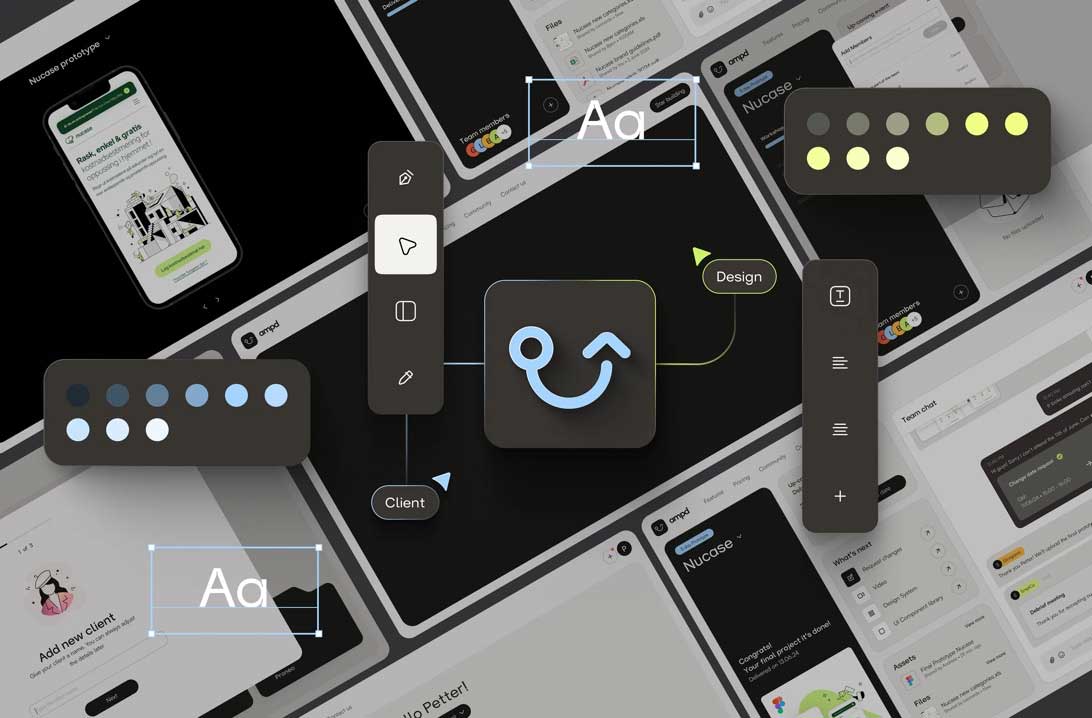 From sketch to screen, the design system and UI components that come together during a prototype sprint.
From Prototype to Product: The New Playbook
Here's where things have changed dramatically. With the Figma-Claude MCP, we can take our Figma designs and generate production-ready code that's deployed directly to GitHub. The classic friction between product designer and developer is dramatically reduced.
Figma recognised this shift when they wrote about our work with Saddle, a Norwegian SaaS platform for M&A decision-making. Using Figma Make combined with our 5-Day Prototype process, we took Saddle from concept to a working, deployed MVP in two weeks.
Why This Changes the Build-vs-Buy Equation
When you can go from idea to interactive prototype in a week, and from prototype to working product in another week or two, the maths changes. You're no longer choosing between a costly enterprise subscription and a six-month custom development project.
With tools like Claude Code handling code generation, and the Figma MCP bridging the gap between design and development, it's now possible for clients to make data available and start populating tools via APIs almost immediately.
Start With Five Days
If you're sitting on an idea, whether it's a new product, an internal tool, or a replacement for a SaaS subscription, the question isn't whether you can afford to prototype it. It's whether you can afford not to.
Five days. One prototype. A clear path forward. Get in touch and let's build something.

About the author
Andreas Melvær
Managing Director & Co-founder, SmplCo
Andreas is the MD and co-founder of SmplCo. A product nerd at heart, he leads the company's 5-Day Prototype service and has helped 150+ startups and enterprises turn ideas into working digital products. He builds with AI, ships with speed, and occasionally wins marketing awards.
Keep reading
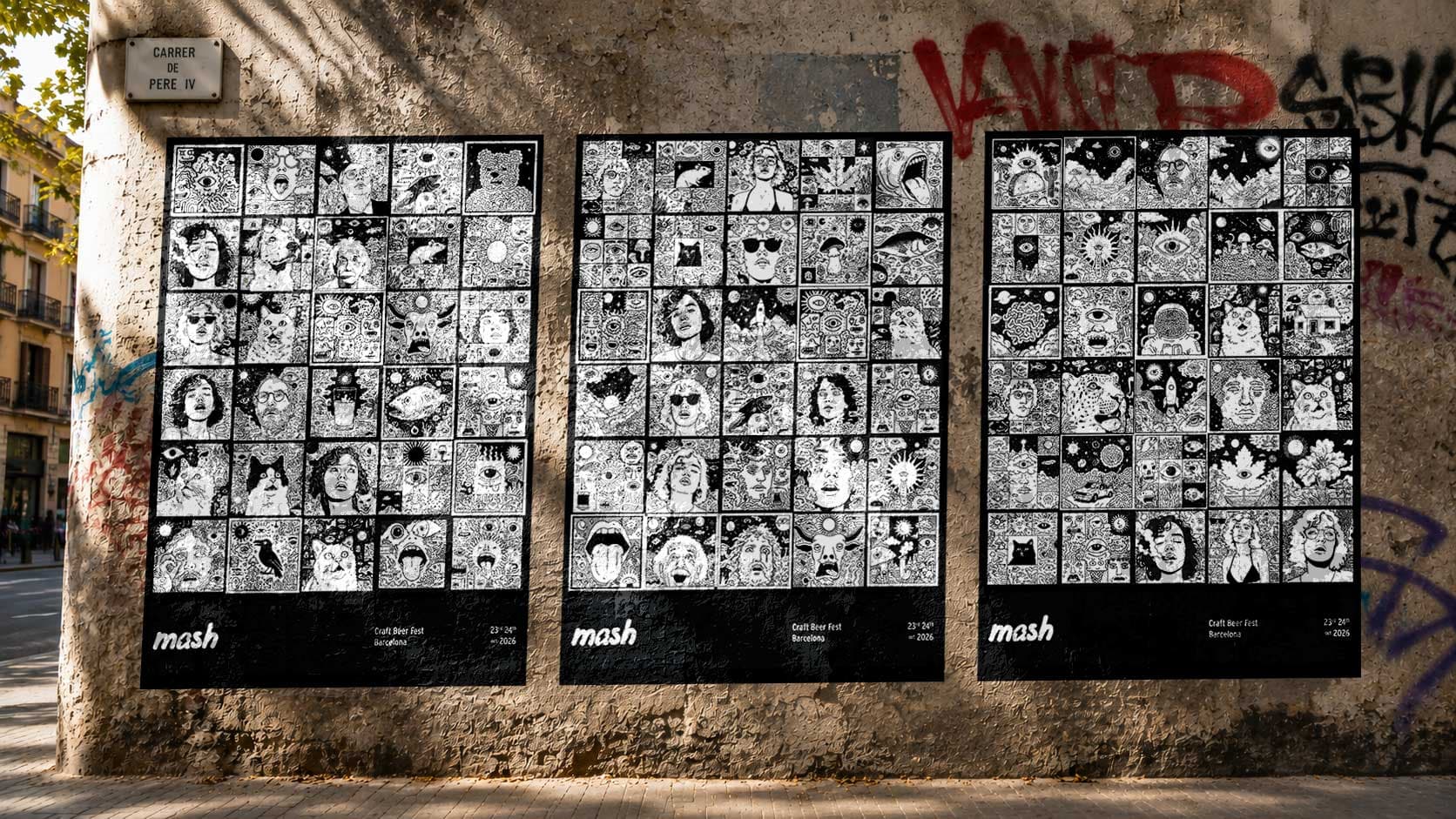
We Automated a Beer Festival in an Afternoon. Most Workflow Fixes Are Like This Now.
We built an automation tool for the Mash beer festival in Barcelona in an afternoon. The point: improving how an organisation works doesn't have to take months.

Successful Fundraising in 2026: What Investors Actually Want
We joined Neil Wood of Wood Associates London for a packed Eagle Labs webinar on fundraising. 300+ founders tuned in. Here is what they learned.

The 2 most important questions you can ask yourself before pitching to investors
What's the most common mistake founders make when they pitch? Putting features before benefits. Here's the simple two-question exercise that fixes it.