
Your Brand Is Too Polished. That's the Problem.
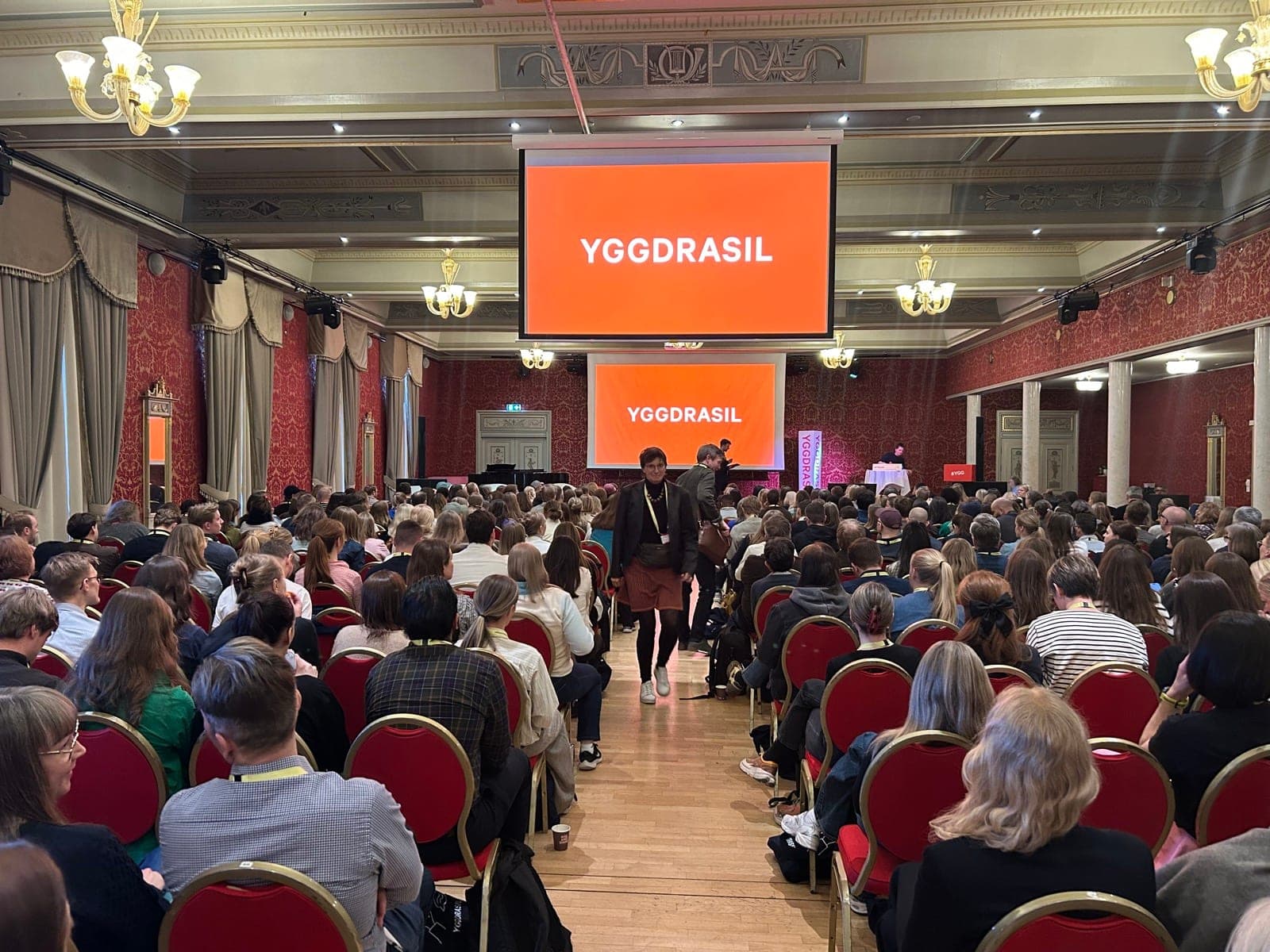
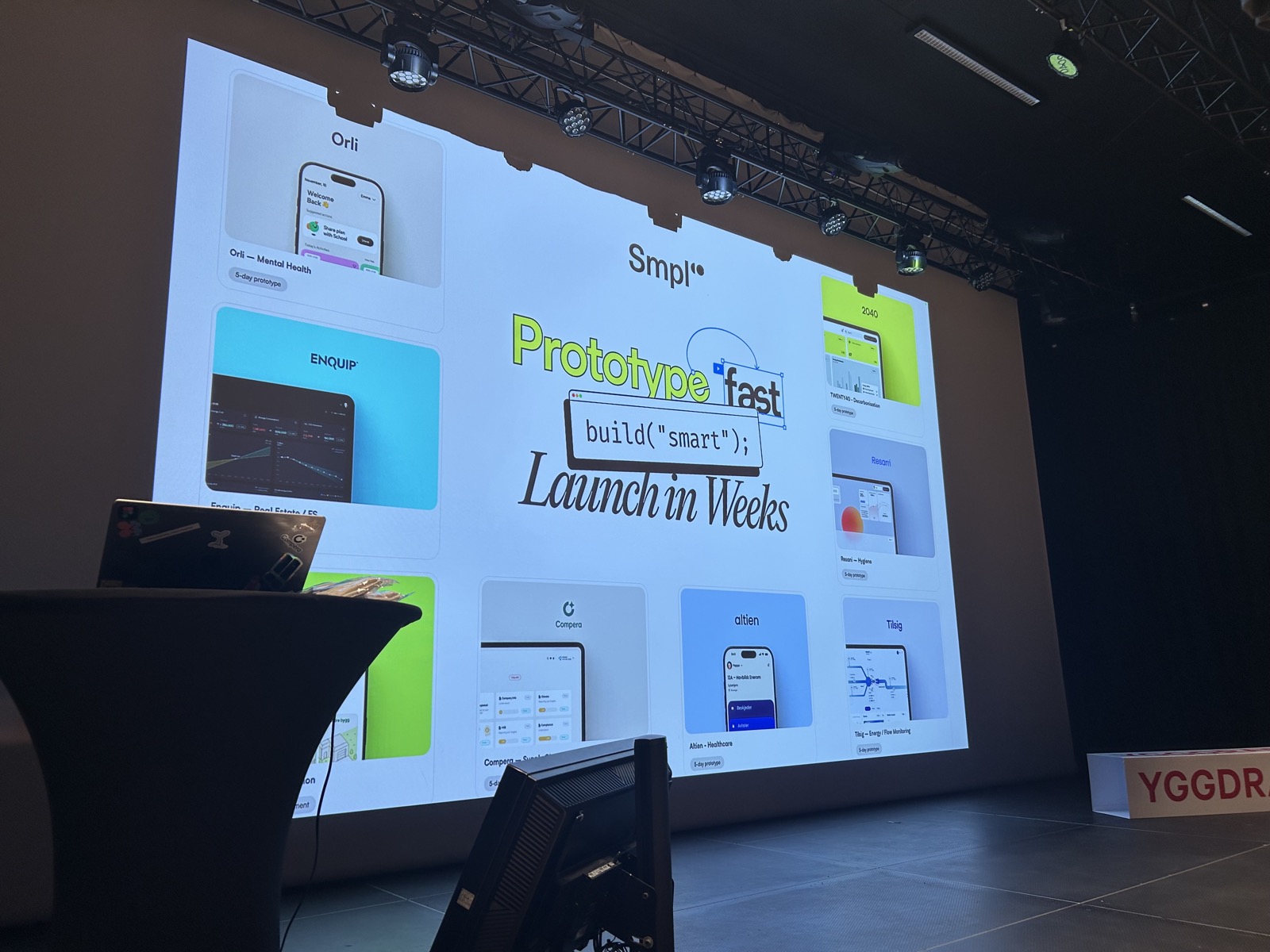
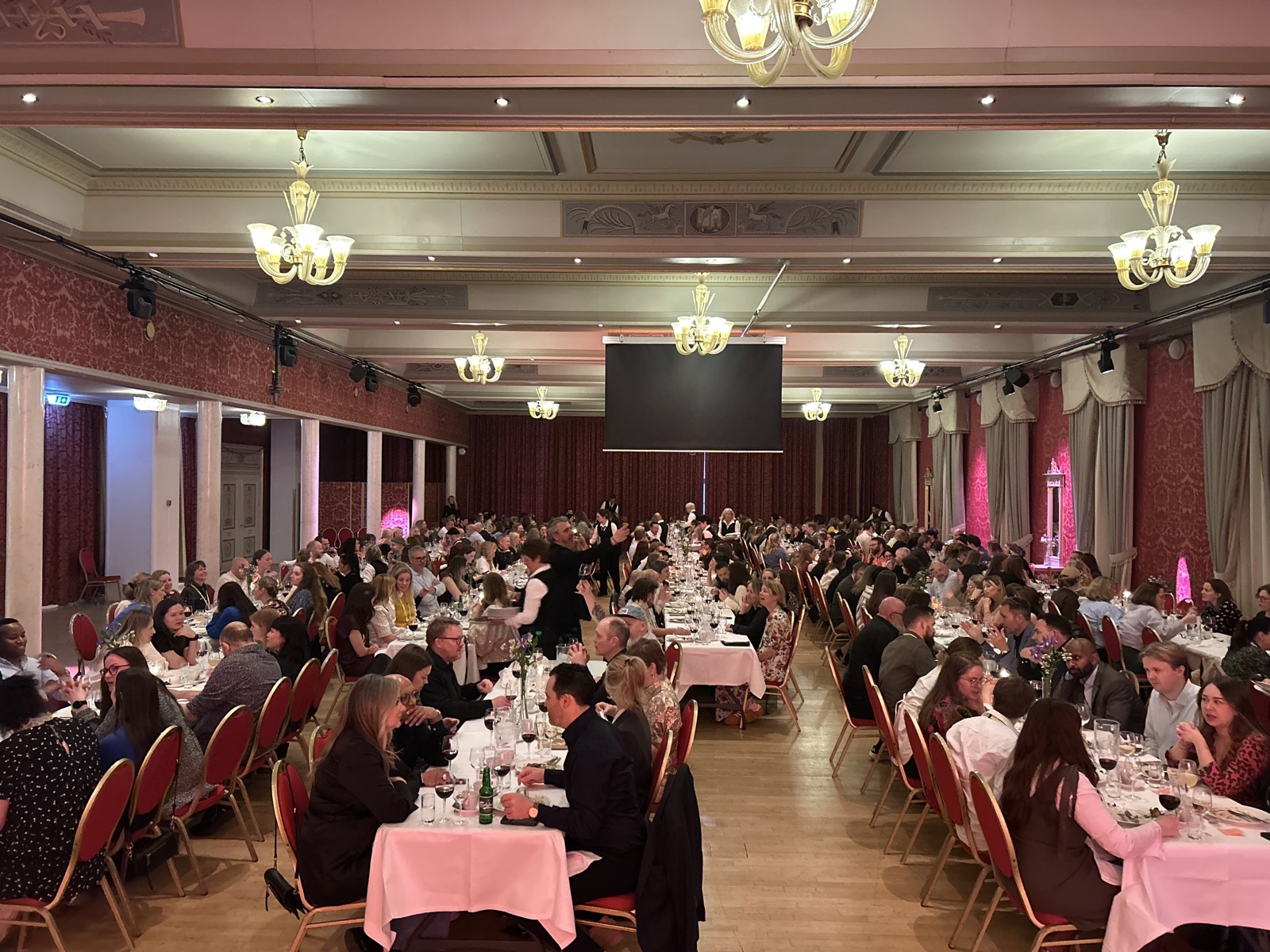
I've been thinking about this a lot lately after talking about Gnu Bar and LinkedIn at Yggdrasilkonferansen. Not because I think there is some big secret behind it, but because the whole thing is slightly absurd. A half-chaotic bar in Stavanger ended up building a more distinctive presence than a lot of very serious companies with proper budgets, proper strategies and much more sensible people involved.
And I think the reason is fairly simple. Most brand communication is too polished to be remembered.
If you open LinkedIn and scroll for half a minute, you will see the same tone, the same structure and the same safe little lessons dressed up as insight. Someone has learned something from a difficult conversation. Someone is being "vulnerable" in a very controlled way. Someone has an "unpopular opinion" that is, in fact, an extremely popular opinion. It is all so polished, careful and format-tested that it becomes impossible to remember.
That is the trap. A lot of companies think they have a reach problem, when what they really have is a memorability problem. They are saying things that are perfectly fine, perfectly sensible and perfectly harmless, and that is exactly why nobody notices them. The content is not bad enough to be embarrassing, but not alive enough to matter.
Gnu Bar should probably not work. A few years ago, a group of us bought a bar that was in trouble. We did not have much of a marketing budget, so instead of doing what sensible people might do, I made a LinkedIn page for the bar and let it speak like a slightly unhinged gnu. The gnu has opinions, speaks Stavanger dialect, exaggerates shamelessly, picks fights and behaves in ways no brand consultant would ever recommend with a straight face.
And that worked. Not because it was polished, but because it wasn't. It had edges. It sounded like itself. People either liked it or they didn't, but at least they remembered it. That matters more than people like to admit.
The useful lesson is not that every company should invent a fictional animal and let it run loose on social media. It is simply that most of the standard advice pushes brands in the wrong direction. Companies are told to be professional, consistent, safe, clear, personal, vulnerable and broadly appealing, and the end result is often communication with no real shape to it at all. It has been sanded down so thoroughly that there is nothing left for people to grab onto.
Free guide
Attention Is New Gold
6 pages of frameworks for making your brand and stories stand out, TRUTH storytelling, behavioural science, and 6 field lessons from real brand-building.
Download for free
That is why polished content so often disappears. It may be competent. It may even be strategically correct. But it does not leave a mark. What people actually respond to is usually something more human than that. A real point of view. A recognisable voice. Some tension. Some risk. Something slightly awkward, specific or alive. Not chaos for the sake of it, and not empty provocation, just signs that there is an actual mind behind the words.
If you are a founder, that is probably the more useful question to ask. Not "does this sound professional?" but "will anyone remember this tomorrow?" Those are not the same thing. A lot of founders know perfectly well that their safest content is also their weakest. They know the sharper version would be better. They know the real story is more interesting than the approved one. But they back away from it because it feels risky.
That is fair enough. It is risky. But invisible is risky too. Probably riskier.
The brands that cut through are usually not the ones trying hardest to look polished. They are the ones that feel distinct, alive and slightly difficult to ignore. That does not mean being louder. It just means being less generic.
That is the whole point.
Polished is not the goal. Memorable is.
My colleague Mike has written a more structured take on why attention is the new gold, with the frameworks, the behavioural science, and the field lessons. If this piece is the field report, his is the playbook. Worth a read if you're thinking about how to apply any of this.
And if you want help finding the actual voice of your brand, the one hiding underneath the sanded-down version, get in touch. It's the kind of thing we help with.

About the author
Andreas Melvær
Managing Director & Co-founder, SmplCo
Andreas is the MD and co-founder of SmplCo. A product nerd at heart, he leads the company's 5-Day Prototype service and has helped 150+ startups and enterprises turn ideas into working digital products. He builds with AI, ships with speed, and occasionally wins marketing awards.
Keep reading
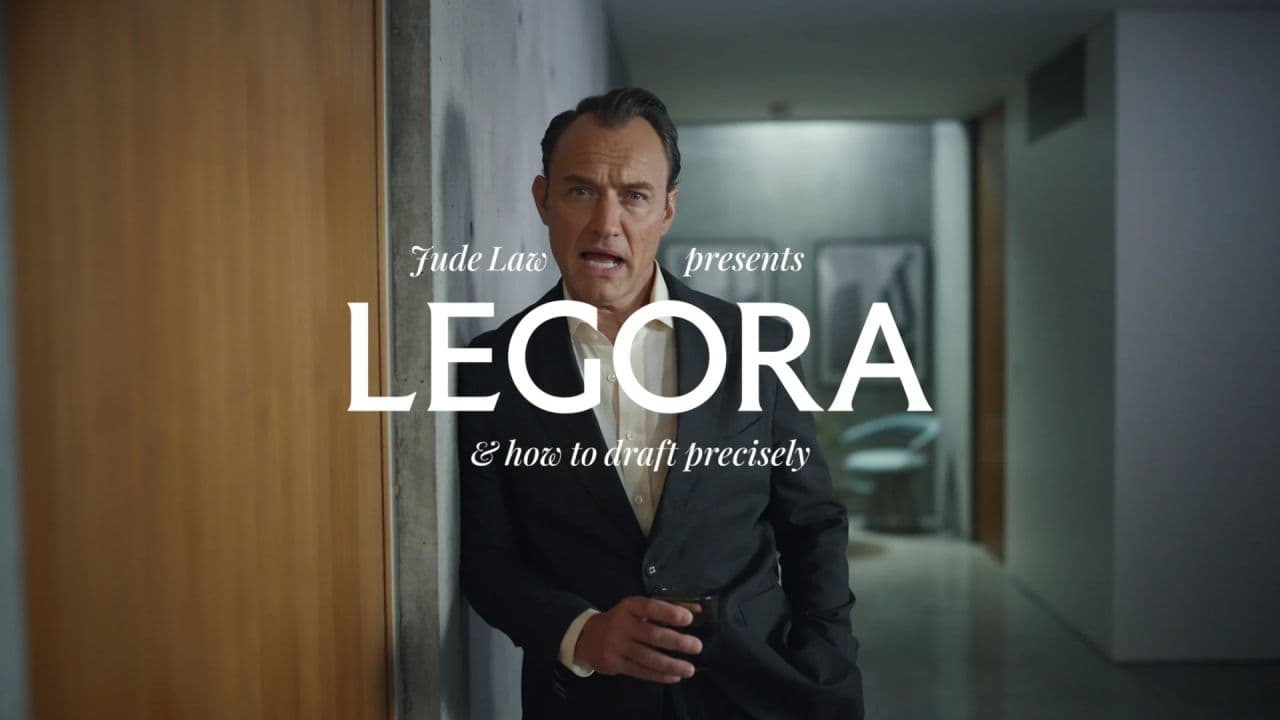
A Legal AI Firm Just Hired Jude Law. Storytelling Is Back As A Must-Have Moat.
A legal AI company just hired Jude Law. In a world where anyone can vibecode a product, storytelling is a crucial moat for you & your tech. Here's why, and how to do it.

Attention Is the New Gold. Here's How Founders Win It.
You do not have an attention problem, you have a relevance problem. What founders get wrong about winning attention, and the frameworks we use to fix it.

The big companies adopting an ancient art to win customers
In 2026 there is something more valuable than gold. More valuable than rare earth metals. More valuable even than goddamned printer ink. That thing? Attention.