AI and the Demise of Great UI
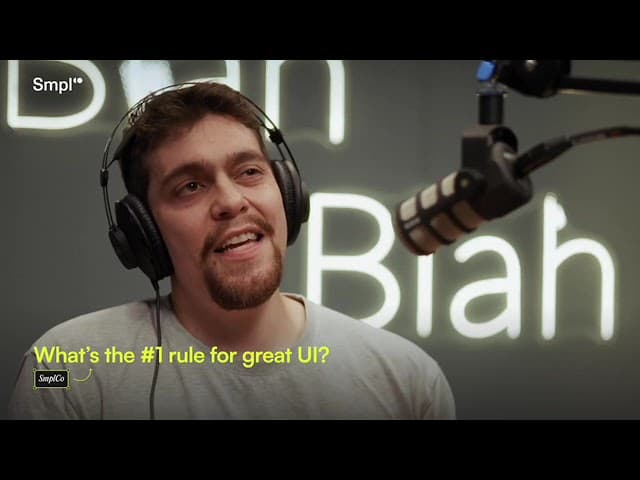
Leo, our UI/UX Design Lead, said something on camera recently that has been rattling around my head since. AI-led design looks like AI-led design. Vibe coding means almost anyone can ship a product now. Almost nobody can make it feel like it belongs to them.
Why does UI still decide whether people trust a product?
"UI is the first barrier a product has to clear," Leo told me. "It builds trust before anyone has read a word of your pitch." Whenever an app feels polished, it signals that the person using it is getting value for their money. That's just human nature, and it isn't limited to software. It's why a well finished car feels faster before you've turned the key, and why a laptop that closes with a satisfying click feels like it will last longer than one that doesn't. Polish is a proxy for value, and once a user believes there's value, they come back.
We've built 150-odd products with founders since we started, and the ones that get remembered are rarely the ones with the cleverest backend. They're the ones where every screen agrees with every other screen: same spacing, same weight of type, same handful of colours doing the same jobs. Leo calls this having a visual language, a set of rules dragged across the entire product without exception. It sounds obvious stated like that. It is one of the hardest disciplines to actually hold.
What happens when everyone has the same tools?
Here's the part that should worry you if you're fundraising off the back of a vibe-coded prototype. A model can generate a beautiful button, a nice card, a competent onboarding flow, all in isolation. What it has no memory of is the other twenty screens in your product, and no particular instinct for whether this one holds the line on the rules you set for the last one. Left unattended, that's how a product ends up looking like it was designed by committee: a different designer for every prompt, because in effect, that's what happened.
None of that is an argument against building with AI. It's how we build almost everything now, and it's faster and cheaper than anything that came before it. It's an argument for keeping someone in the loop whose entire job is consistency: someone who looks at screen fourteen and asks whether it still agrees with screen one. That's the bit AI still can't do for you, and it's exactly the bit that decides whether an investor, or a customer, believes the product is real.
Vibe coding raised the floor. It didn't touch the ceiling. Whether your product feels distinct, trustworthy, and worth opening again tomorrow still comes down to the same fundamentals it always has: a clear visual language, applied without exception, by someone paying attention. That's still a design problem, not a prompting problem. If you want a second pair of eyes on yours, have a look at what we've built with other founders, or get in touch.
Free · 30 minutes · No pitch
Want your product to be something people come back to?
We're offering free 30-minute chats to explore your idea, challenge, or project. No obligations, no sales pitch.
Grab your spot
About the author
Andreas Melvær
Managing Director & Co-founder, SmplCo
Andreas is the MD and co-founder of SmplCo. A product nerd at heart, he leads the company's 5-Day Prototype service and has helped 150+ startups and enterprises turn ideas into working digital products. He builds with AI, ships with speed, and occasionally wins marketing awards.
Keep reading
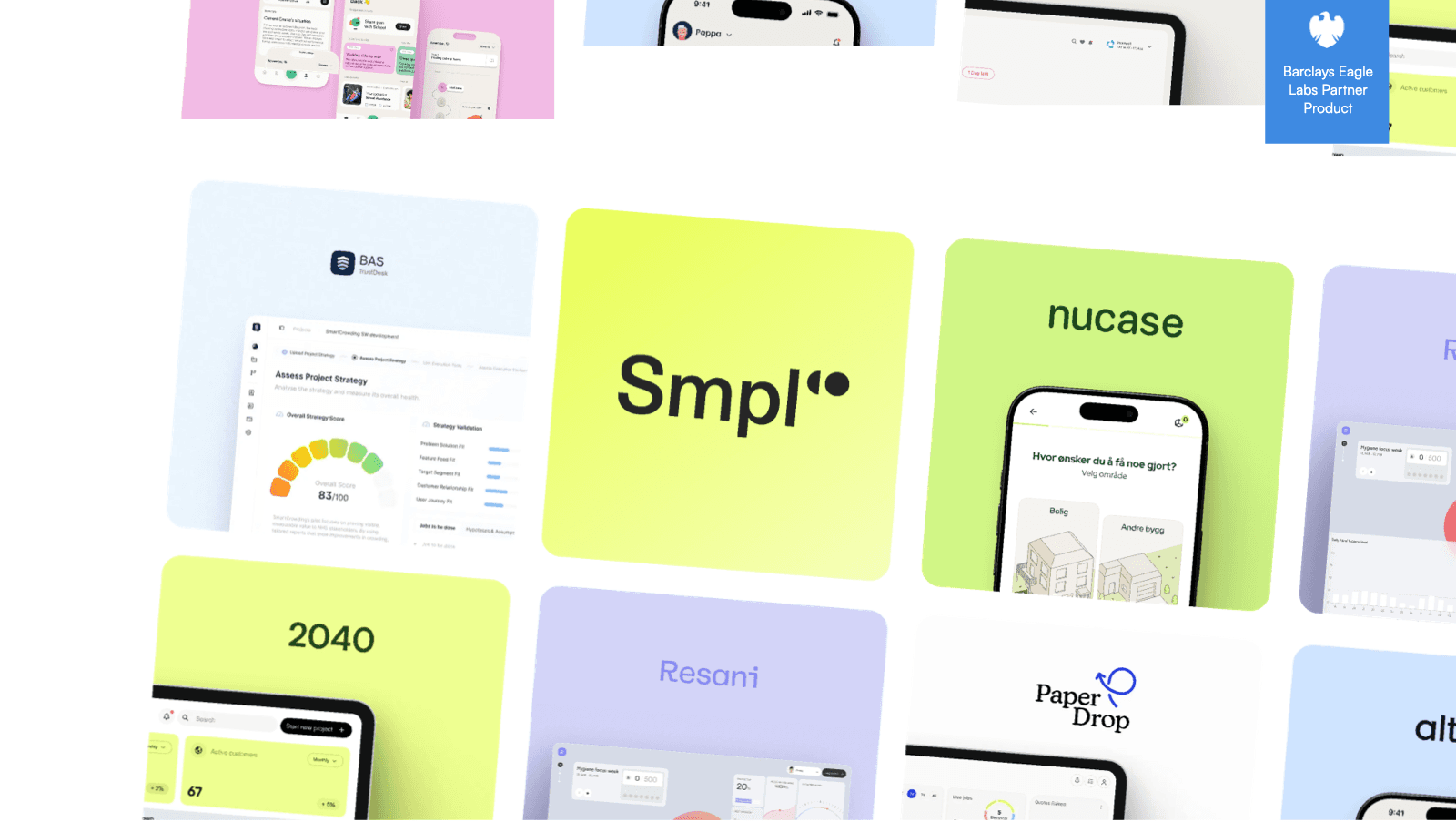
The most important UI trend? Trust.
AI makes it trivial to ship a working app. It also makes every app look the same, and users can feel it before they can explain it.
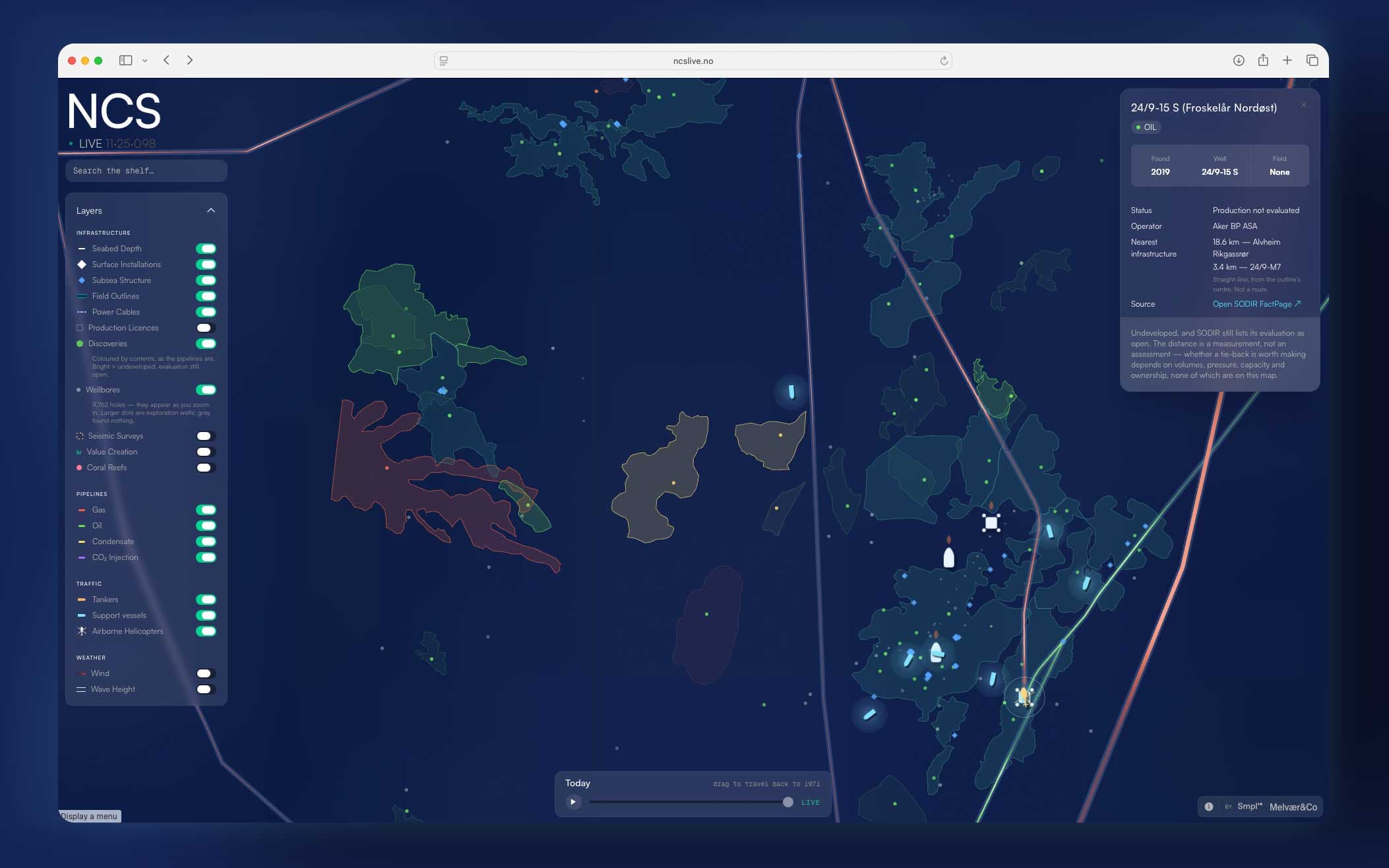
How to Make an MVP Go Viral: 3 Lessons from 10,000 Hits
NCS Live drew 10,000 users in six hours. Three lessons on scope, immediate value, and letting the people who use your MVP shape what comes next.