
The most important UI trend? Trust.
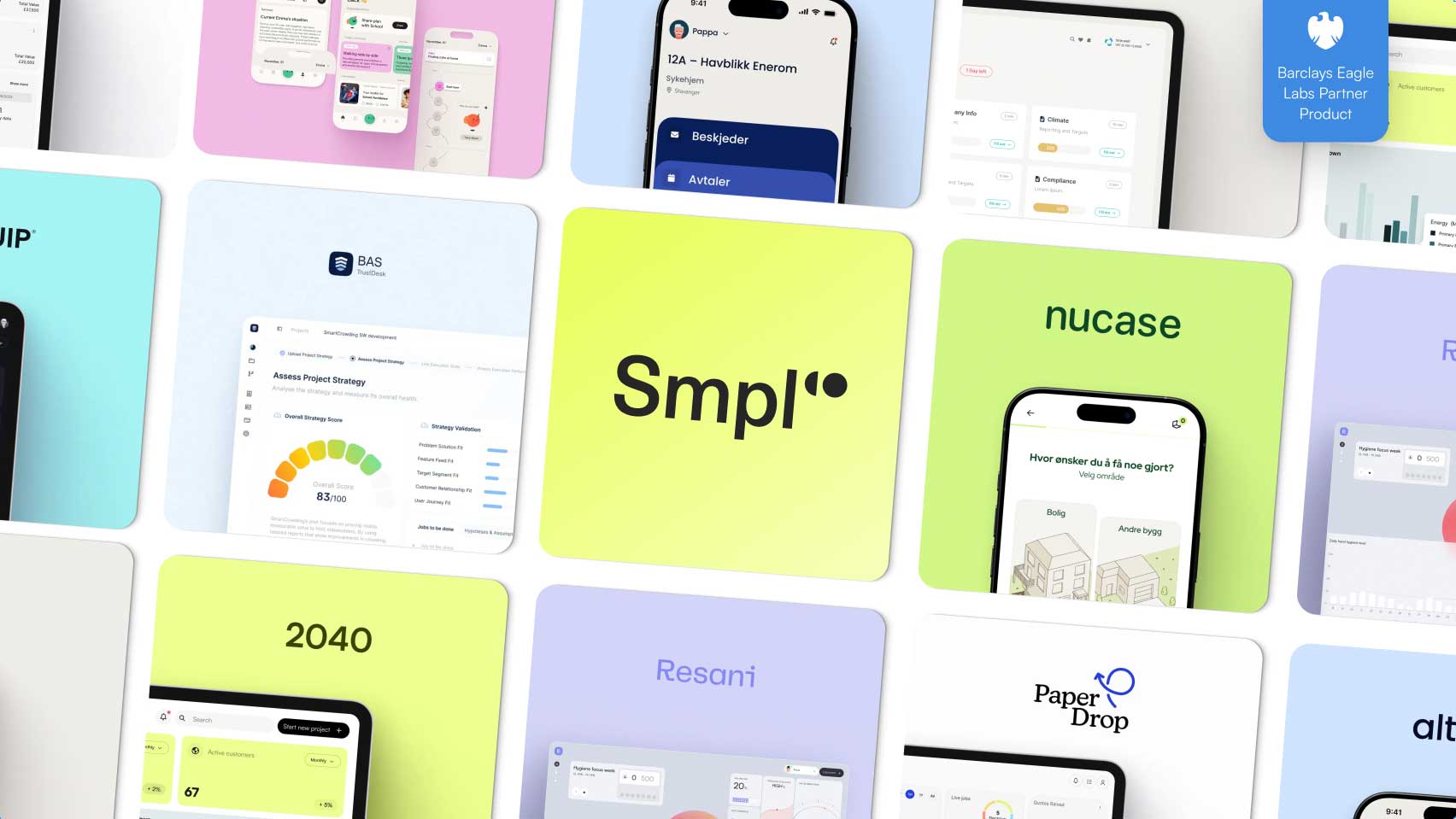
Most founders treat UI like wrapping paper: decoration on top of the product that actually creates the value. The screens are an afterthought, vibe-coded on a Friday afternoon. That used to be a mild mistake. In the AI era, it's fatal. The fix, happily, is simpler than most founders think.
Death by UI
Right now the internet is drowning in software that looks the same. So. Much. Soft. Purple. Same cards, same rounded everything, same empty dashboards with the same empty charts, all pulled from vibecoding's favourite place: Shadcn.
Users may not say "this was made by a model." But they feel it. And the feeling is simple: I do not trust this.
They cannot always explain why. That is the point. Trust is mostly subconscious. Visual patterns leak into the gut before they hit the brain. When every AI tool reaches for the same free libraries and the same default components, people start recognising it, the way you'd clock a bad smell. Not consciously. Just enough to hesitate before they enter a card number, upload a customer list, or introduce you to their board.
It's a major reason why around 75% of apps that make it to the App Store or Google Play these days don't have a single user after a month. That's not just a volume problem. It's what every entrepreneur or innovator has to grasp right now: UI was never about looking nice. UI is about gaining and keeping trust. And trust is the most important feature your product has.
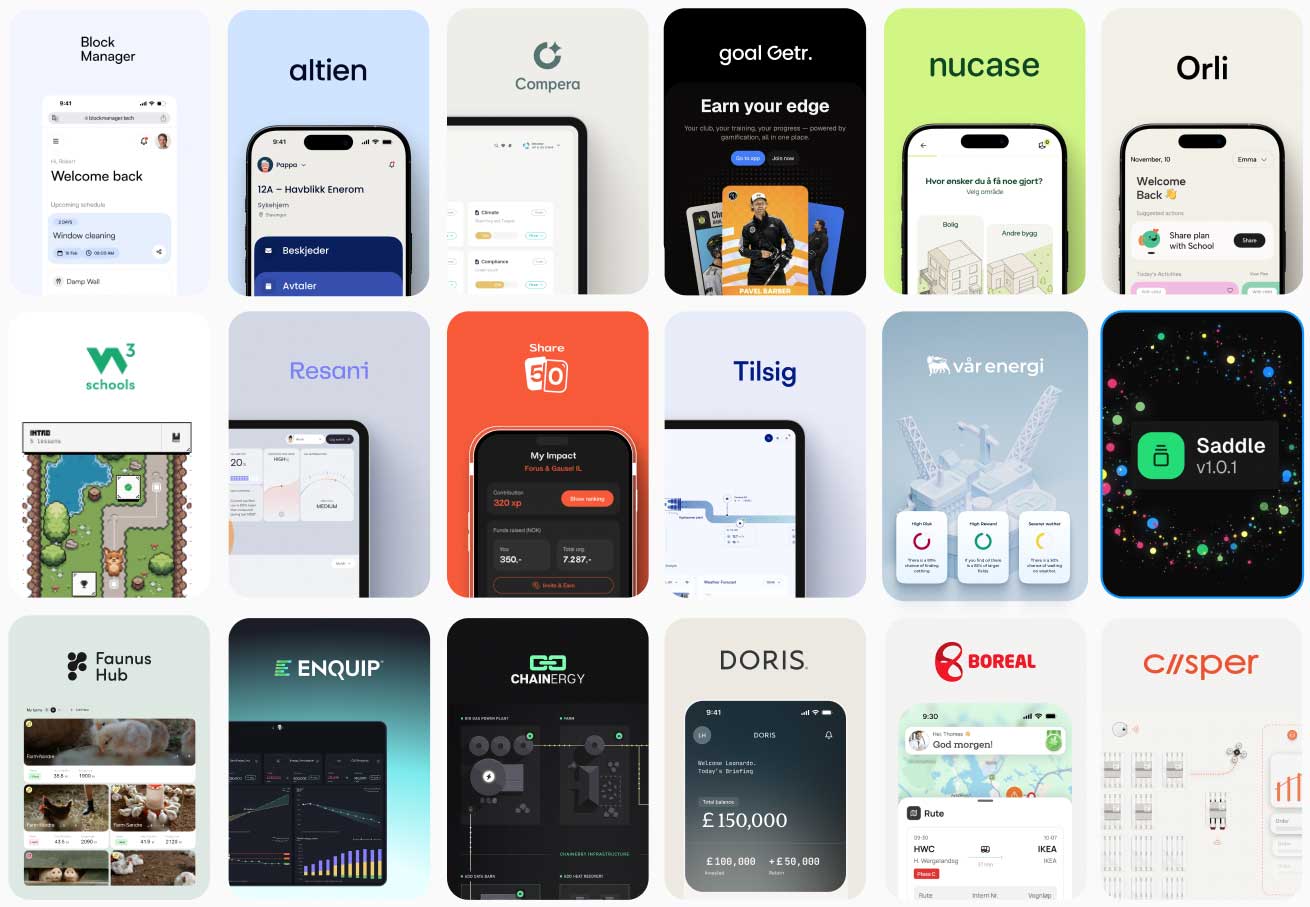 Trust us, we've done more than 160 UI projects
Why does UI matter more now that anyone can generate an app?
We are in the fast-food era of digital products. You can spin up a working app on a weekend. That is genuinely useful. Speed is a gift. The problem is what the default speed produces.
If you ask an AI to design your interface and give it no constraints, it will reach for whatever is free and familiar online: open-source kits, stock patterns, the visual equivalent of a hotel lobby in a mid-priced business hotel. Inoffensive, interchangeable, instantly forgettable. (Except for the corridor carpets, strangely, which are bafflingly diverse.)
To an investor, that familiarity does not breed comfort. It often reads as uninvestable. To a user it reads as disposable, and uncomfortable: what is going on behind this cheap, knock-off facade?
In this environment, a great user experience backed by a fully functioning back-end is not enough. Plenty of tools "work." The ones that survive are the ones people are willing to lean on. That means users sharing real data, teams changing how they work, investors writing a cheque, and customers renewing without a fight. None of that happens without trust, and a huge chunk of that trust is delivered silently through look and feel.
What does "trust as a feature" actually mean in product design?
It means you design for belief, not just for flow.
Great UX still matters. Remove friction. Add fuel. Shorten time to value. Care about zero states (the empty first-run screens AI loves to skip) because that is where you teach people what they will get if they take the next step.
But UX without a considered UI is a clean process wearing a costume someone else rented. Bespoke, high-quality UI says: someone was here, someone made choices, someone cared enough to be specific. That specificity is what builds trust, often without the user noticing the mechanism.
You are not decorating the product. You are signalling competence in what people can see, and, crucially, what they can't: all the plumbing under the shiny exterior that regulates their data and privacy. The fix for that signalling problem? A good old design system.
How much design system do you actually need before launch?
For the non-geeks: a design system is a complete collection of reusable components, standards and rules that you use to build and consistently maintain platforms, websites and apps.
Here's the thing: you don't need a 200-component design system on day one to bake in the trust we've been talking about, and you don't really have a choice about needing one at all. Start with the essentials by hand in Figma: colour, type, spacing, buttons, a few core patterns that feel like you. Then connect that source of truth to your coding agent.
Suddenly the AI isn't inventing a look from the open web. It's following yours. That is the difference between AI in charge and AI-assisted.
One path ends in soft purple and a quiet "I do not trust this" from your stakeholders, investors and customers alike. The other ends in a product that feels deliberate enough to earn the next click, the next dataset, the next yes.
Orli Health is a good example of what that looks like in practice. It's a children's mental health platform we built using a small, considered pattern library rather than a generic template.
It's gained serious traction, driven by its UI, landing a place in the prestigious BGV Accelerator and winning competititions (including the nationwide Nat West start-up pitch competition)... we even collected a digital design award for it.
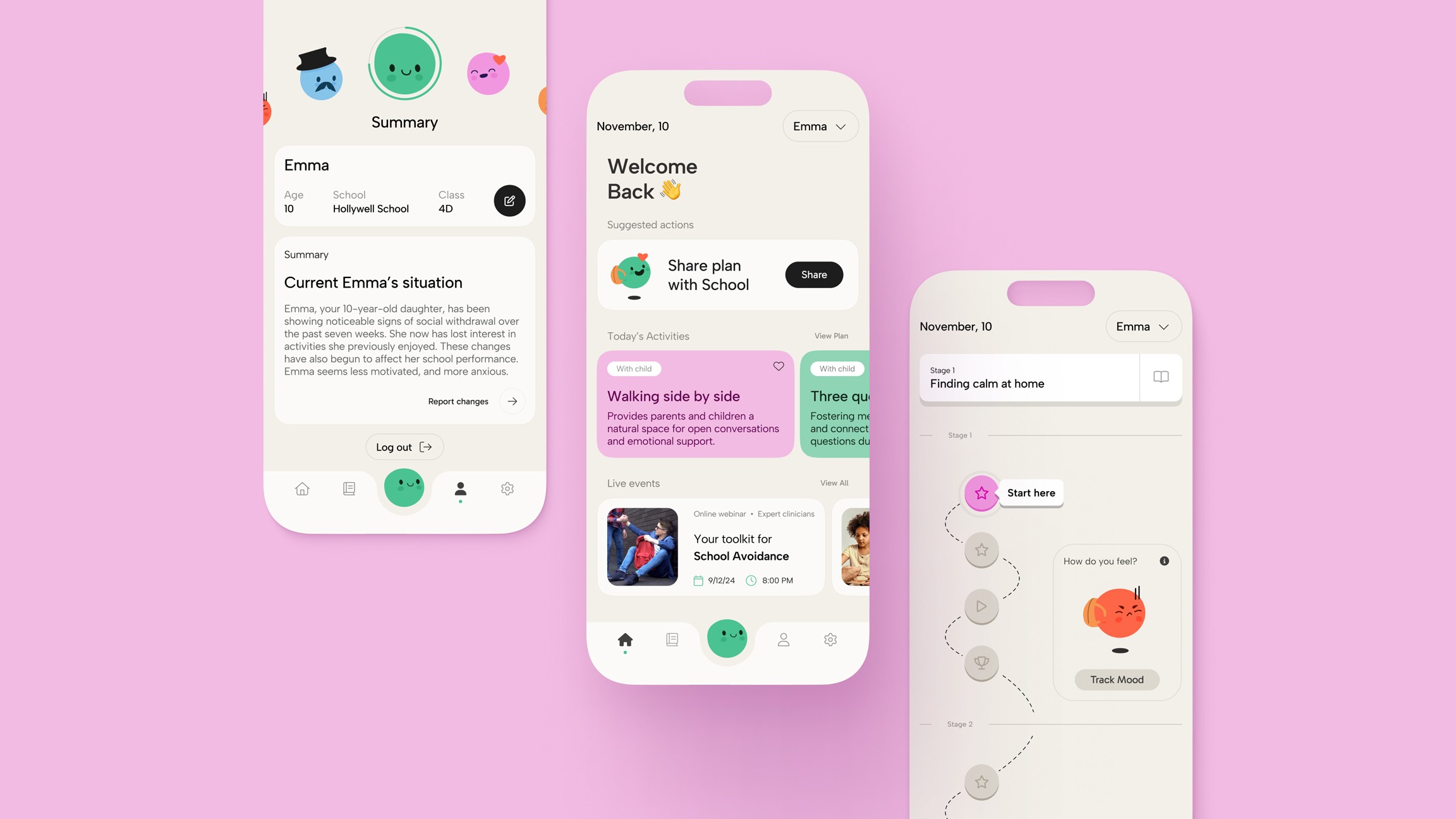 Orli UI: award-winning
So, if you only ship one feature this month, ship trust. Put it in the interface. Make it visible in the craft. Don't outsource your face to the default model settings and hope the roadmap will save you.
In a world where anyone can generate software, the rare thing is software that looks like it meant to exist. That is the feature.
Want help building a UI people actually trust? Get in touch and we'll show you what a considered design system can do for your product.
About the author
Andreas Melvær
Managing Director & Co-founder, SmplCo
Andreas is the MD and co-founder of SmplCo. A product nerd at heart, he leads the company's 5-Day Prototype service and has helped 150+ startups and enterprises turn ideas into working digital products. He builds with AI, ships with speed, and occasionally wins marketing awards.
LinkedIn →Frequently asked questions
- Why do AI-built apps lose user trust so quickly?
- Because default UI kits like Shadcn create a subconscious 'I've seen this before' reaction. Users can't always explain it, but an interface that feels generic reads as disposable before anyone evaluates what the product actually does.
- Do I need a full design system before I launch?
- No. Start with colour, type, spacing, buttons and a handful of core patterns in Figma, then connect that as the source of truth for your coding agent. A dozen well-chosen decisions beat 200 unused components on day one.
- Does UI really affect whether investors trust a product?
- Yes. Interfaces that look like every other AI-generated app read as uninvestable and interchangeable, regardless of what the backend does. Investors are pattern-matching on the same subconscious cues as users.
Keep reading
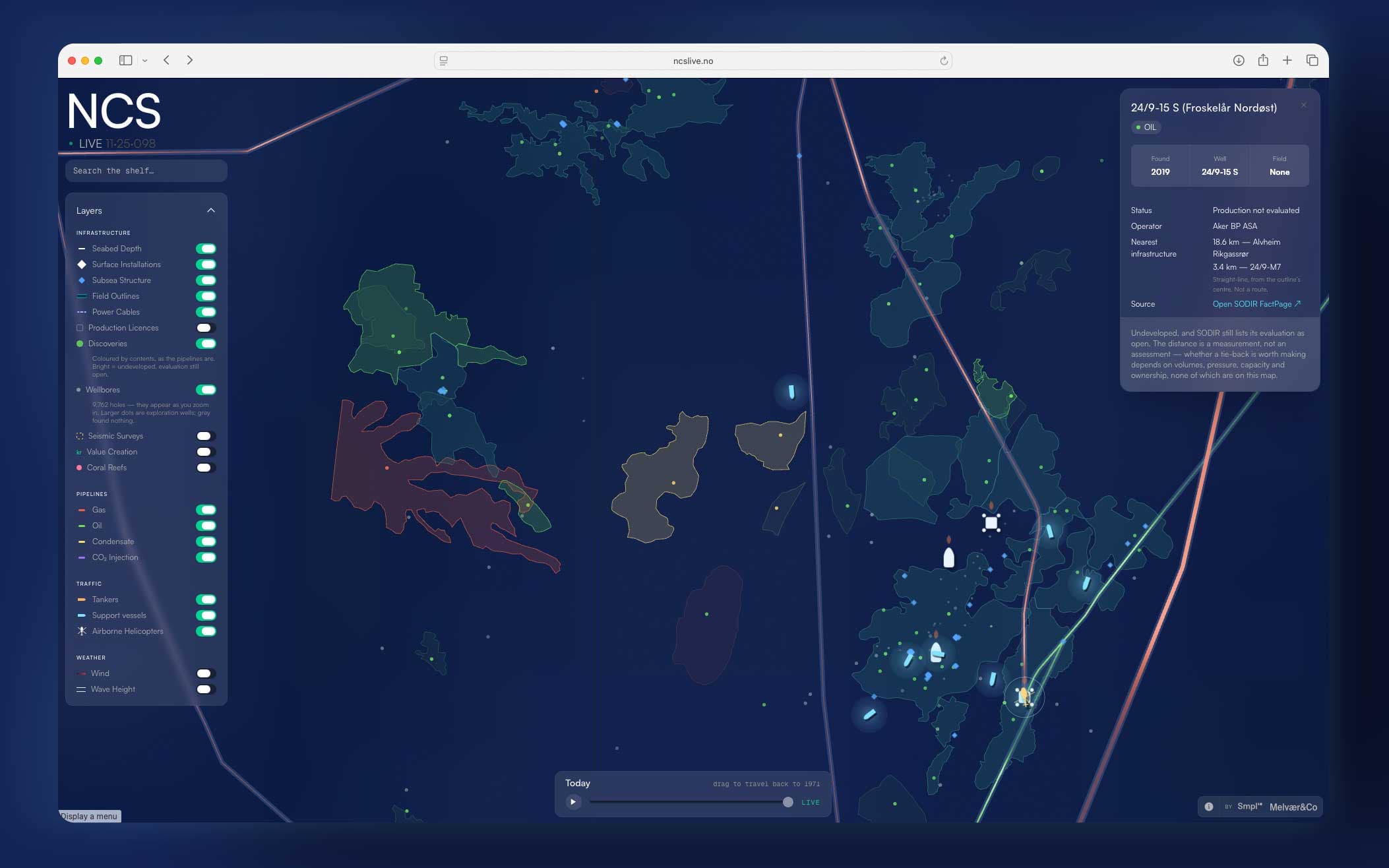
How to Make an MVP Go Viral: 3 Lessons from 10,000 Hits
NCS Live drew 10,000 users in six hours. Three lessons on scope, immediate value, and letting the people who use your MVP shape what comes next.

AI and the Demise of Great UI
Everyone can 'design a product' with AI now. Our UI/UX Design Lead, Leonardo Hernandez, on why AI-led design still looks like AI-led design, and what actually earns a user's trust.

The 2 most important questions you can ask yourself before pitching to investors
What's the most common mistake founders make when they pitch? Putting features before benefits. Here's the simple two-question exercise that fixes it.